Burt Hooten Article is by Chaitaly with photos from the TLSN archives.
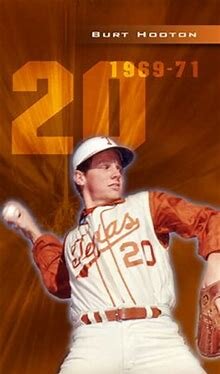
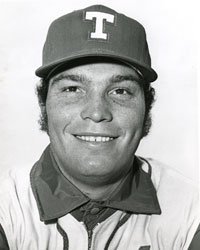
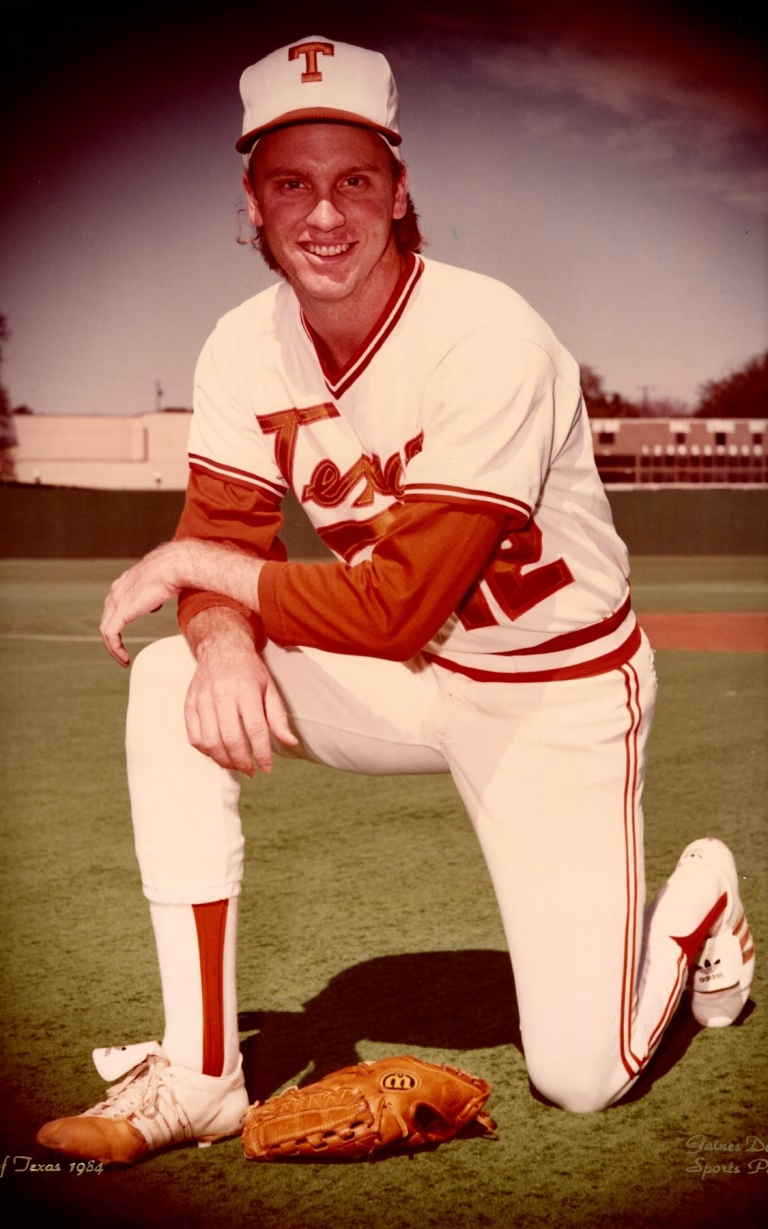
Burt Hooton arrived at the University of Texas at Austin like a kid carrying far more talent than ego. People noticed that right away. There was something almost quiet about him — the kind of quiet that makes coaches lean forward because they know something special is brewing beneath the surface. And over the next few years, Austin saw that promise unfold in the kind of slow-burning, unforgettable fashion that turns college pitchers into folklore.
He carved out a College Hall of Fame career without ever needing to shout for attention. Three-time All-American from 1969 through 1971. A record-breaker in a program already rich with legends. Every spring, as the Longhorns stretched across the field in crisp uniforms under that Texas sun, Hooton kept adding chapters to a story that didn’t feel real even as it was happening.
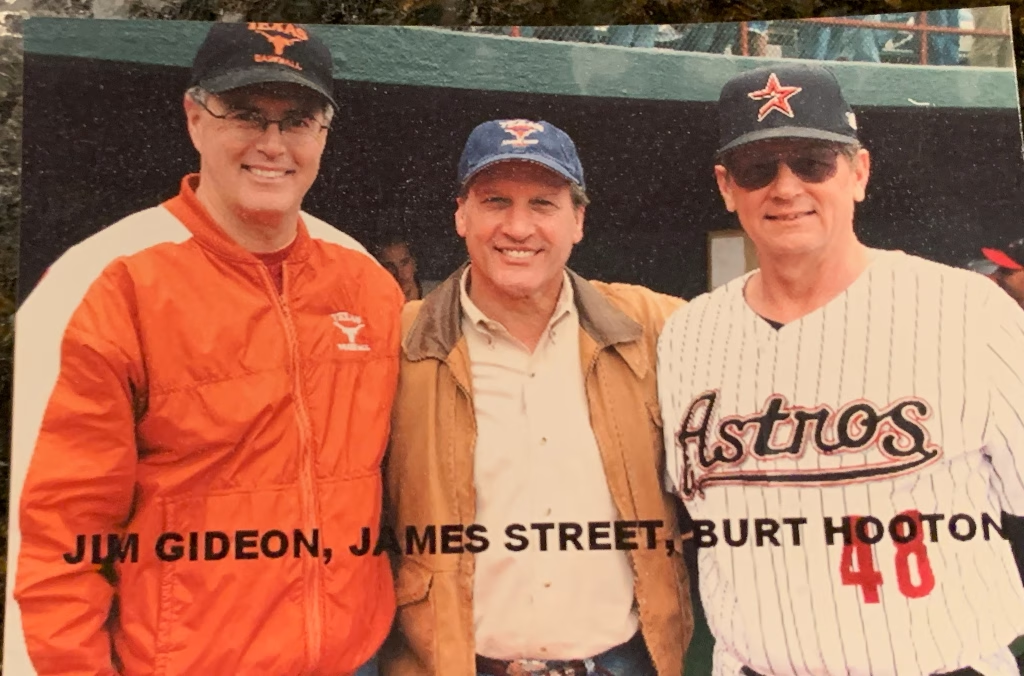
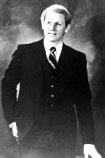
Jim Gideon, James Street, Burt Hooten 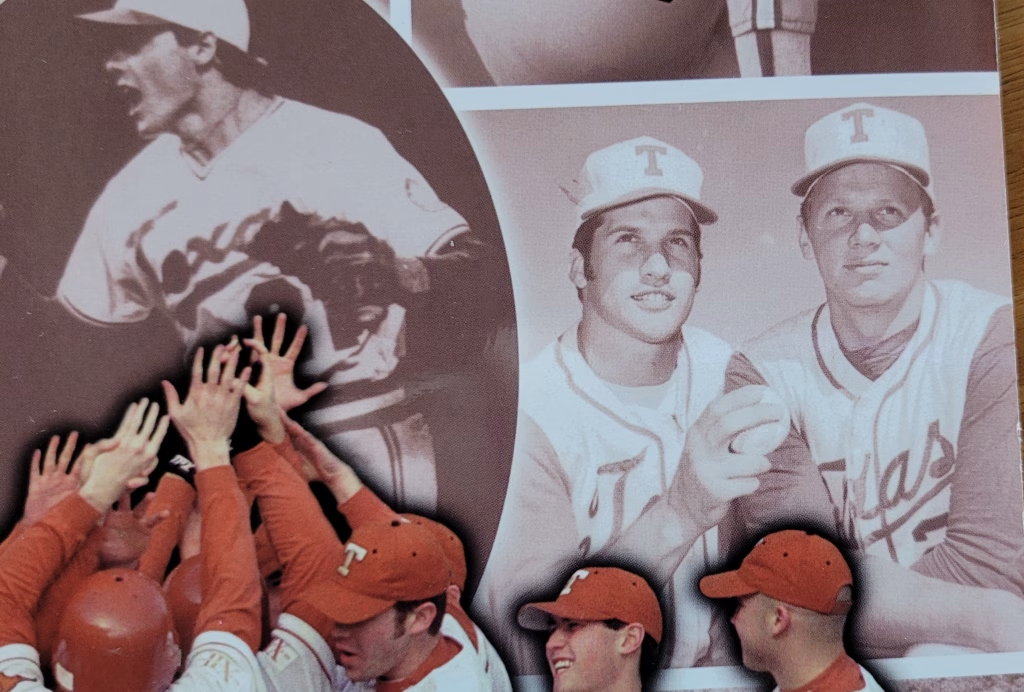
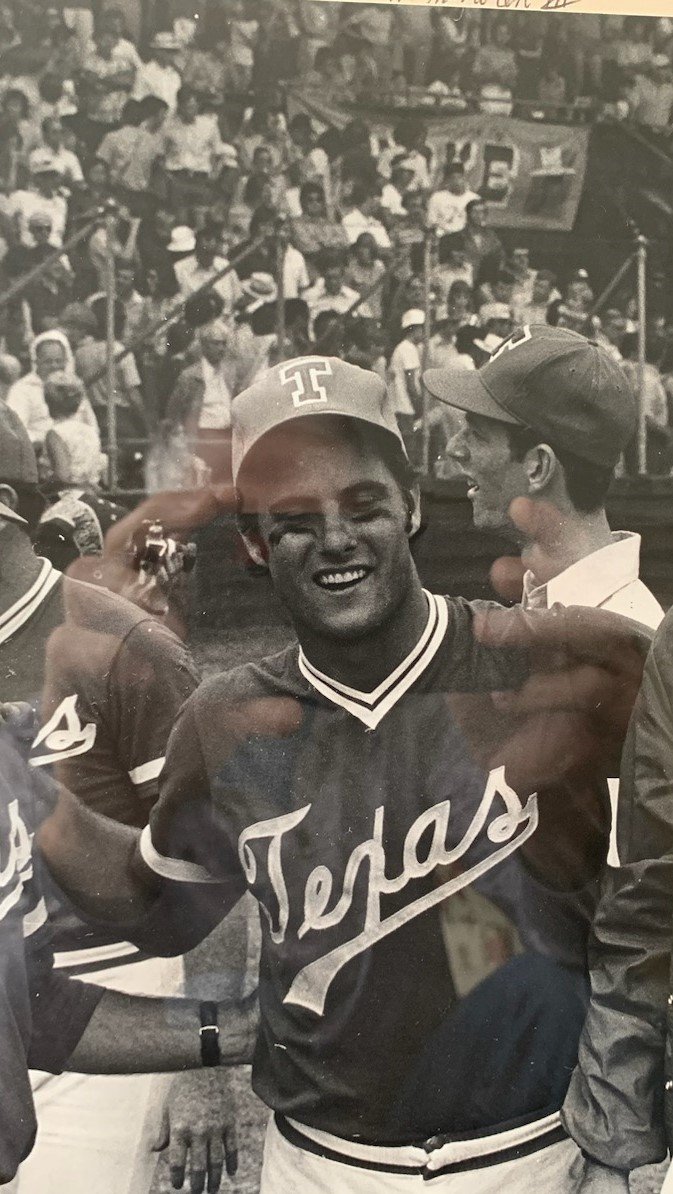
Street and Hooten
There was the dominance, of course. His 35–3 record. Those two no-hitters he tossed in ’71—just weeks apart, like he’d casually decided the sport needed reminding of what peak pitching actually looked like. One of those was a scheduled seven-inning game where he was perfect for eight innings. How do you even explain that? Moments like that make other players whisper to each other in dugouts, wondering if they’re witnessing the start of something historic.
And he wasn’t just a regular in the NCAA Tournament—he was the guy teams prepared for with a little knot in their stomachs. In ’69 and ’70, Texas pushed its way into the College World Series, finishing fourth one year, third the next. Hooton was there both times, steady as a heartbeat, earning a spot on the All-Tournament team in 1969. The Longhorns won the conference every single year he was on the roster, which felt less like coincidence and more like what happens when your best player doesn’t flinch.
The summer of ’69 took him even farther from home, all the way to Alaska. Under the strange glow of that northern midnight sun, he won the 64th Midnight Sun Game for the Boulder Collegians—a surreal, almost mythical experience. Imagine being young, talented, and thousands of miles from Texas, throwing baseballs deep into a night that never actually arrives. That’s the kind of memory that lives in a man forever.
The Cubs grabbed him with the second pick of the 1971 draft, and before he had time to wrap his head around it, he was already on a Major League mound. No minors. No warmup tour. Just straight into the big leagues—only the third player ever to do that. He struck out 15 batters in one of his first three appearances, as if trying to convince the league he belonged there from Day One.
Los Angeles was the latter.
In L.A., everything clicked again. He went 18–7 the rest of that season, winning twelve straight decisions — a Dodgers record that felt almost impossible. That knuckle curve of his, the pitch that seemed to tumble out of the sky with a mind of its own, became his signature. After a rough 1976, he bounced back hard, becoming a backbone of the Dodgers’ pennant runs in ’77 and ’78.
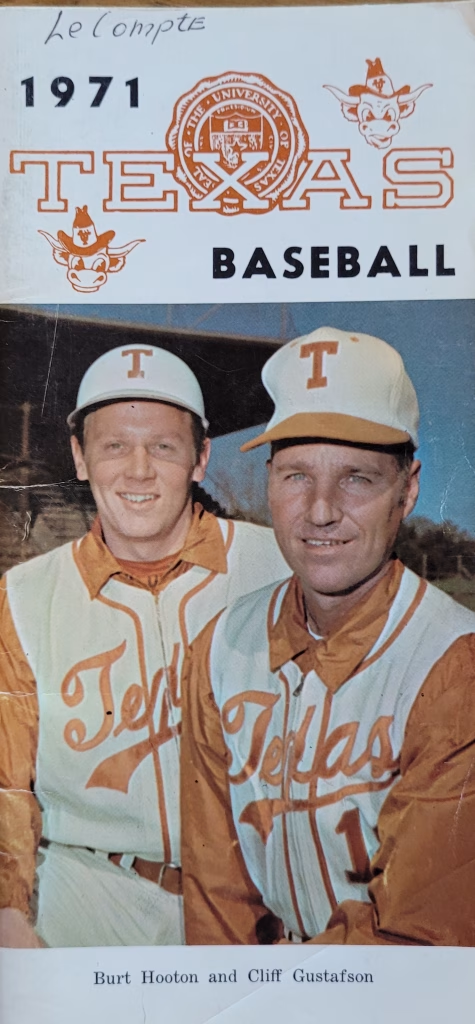
1971 Gus and Hooten baseball 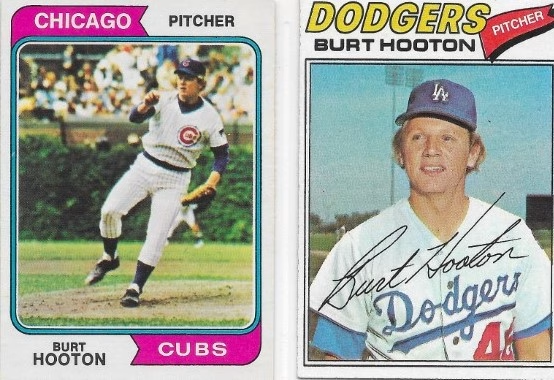
Hooten card 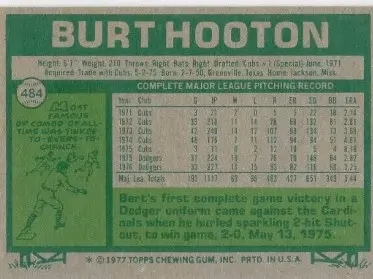
1970 burt hooton baseball card (3) 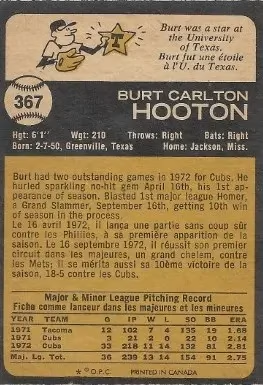
1970 burt hooton baseball card (2) 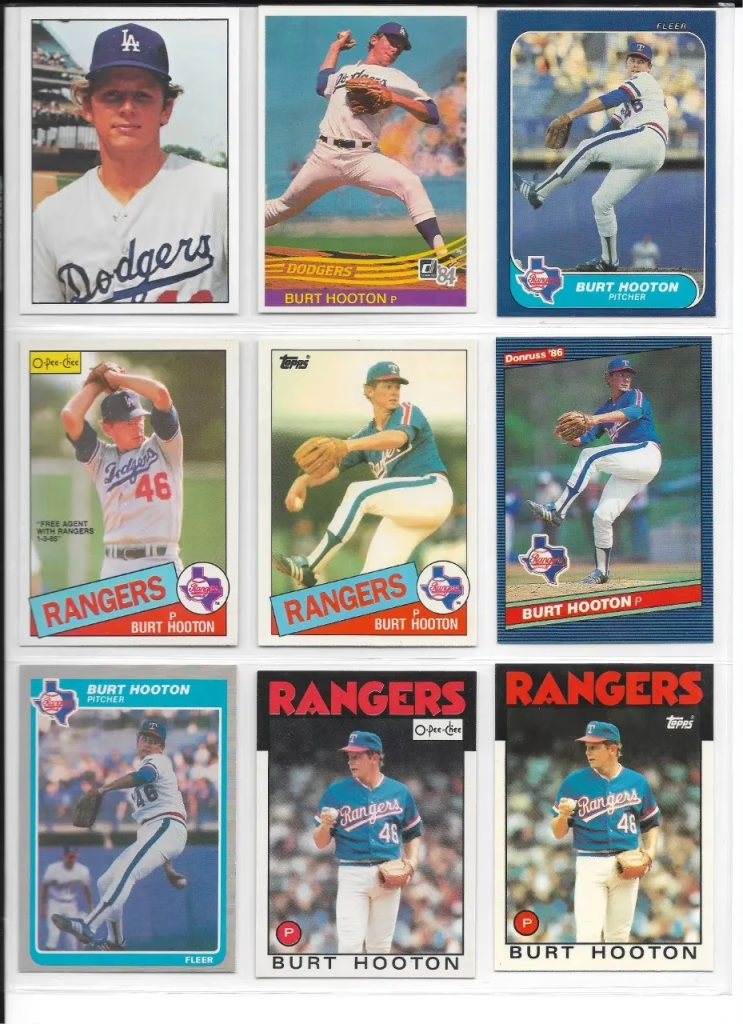
Hooten card
Nineteen wins in ’78. A 2.71 ERA. Second in Cy Young voting, only behind Gaylord Perry. The kind of year pitchers dream about.
The postseason, though—those nights carried their own storms. His Game 3 outing in the ’77 NLCS was rough: three straight bases-loaded walks that sent him to the dugout early. But the Dodgers clawed back and won anyway. In the World Series, he delivered a brilliant Game 2, then ran into Reggie Jackson’s three-homer fury in Game 6, becoming a footnote in one of baseball’s most famous nights.
Still, he kept returning to the mound, kept delivering bigger moments. In the ’78 NLCS, in the World Series rematch, he pitched with grit, even if the Dodgers couldn’t finish the job. Sometimes a man carries excellence and heartbreak in the same pocket.
By 1981, in a season split in half by a strike, Hooton quietly put together one of the best campaigns of his life — 11–6, a career-best 2.28 ERA, and his lone All-Star nod. October rewarded him at last. He won twice against the Expos in the NLCS without allowing an earned run, earning the MVP award for that series. And though he took a tough loss in Game 2 of the World Series, he came back with force in Game 6, handing the Dodgers a huge lead before they sealed their first title since 1965.
Vin Scully once joked that Hooton would probably celebrate by “painting the town beige.” And he wasn’t wrong — glory didn’t change the man. Hooton stayed measured, humble, steady.
He pitched three more years in L.A., shifting into a bullpen role by 1984, and by then you could almost feel him slowly stepping out of the spotlight — the way a sunset dims without anyone noticing the exact moment it begins.
But if you look back at everything — Texas, Chicago, Los Angeles, those near-mythic summer games in Alaska — you see a career stitched together by quiet excellence. No flashy ego, no theatrics. Just a man with a devastating knuckle curve and a temperament that never needed the noise.