1972-1980 volleyball- “FOR LOVE OF THE GAME” By Billy Dale
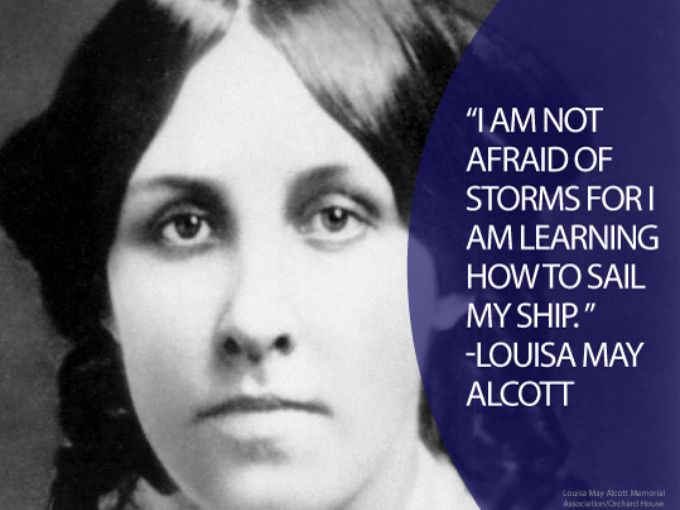
In 1874, as women were beginning to gain access to higher education, Dr. Edward Clarke published “Sex in Education, or, A Fair Chance for Girls”, which sparked a tenacious and acrimonious debate about women’s capacity for physical activity. He stated that “both muscular and brain labor must be reduced at the onset of menstruation” ( p. 102). While I am sure he used guiding principles of research to form his conclusions, history shows he was wrong on many fronts. Unfortunately for women, faux science from the late 1800’s through the 1960’s was used to reinforce the established dogma that women were the weaker sex.
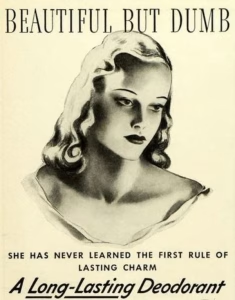
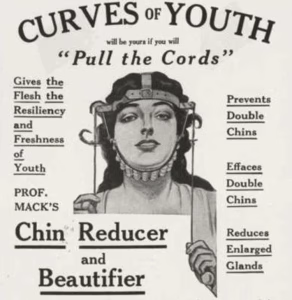
Back in the 1960s, New York’s advertising “madmen” undermined the fight for women’s equality even more with condescending ads that painted women as weak, submissive, and stuck in narrowly defined roles. These harmful depictions didn’t just twist reality—they reinforced false ideas that limited opportunities and held countless women back from reaching their true potential.
In a man’s world, women gaining equal footing in sports and beyond didn’t come easily; it had to be earned, and the process was tediously slow. Title IX was the document that began “what starts here changes the world” for women in America. Title IX was the right cutting-edge tool to challenge gender stereotypes, but it only succeeded after a tough fight against those determined to keep the status quo in place.



The fight for women’s equality took a big step forward in 1972 when President Nixon signed Title IX, opening the way for equal opportunities in education and sports. More women began attending college to gain independence and a stronger voice in society. Carolyn Frost Kennan was one of those who embraced the change, becoming a leader in business, academics, and athletics. In a recent TLSN phone interview, she expressed pride in how female athletes in the 1970s broke through stereotypes, paving the way for Texas’ thriving women’s athletics program in 2026. She was among the many women of the 1970s who challenged the men’s control over the UT Athletic Department, and Donna Lopiano was the right bullhorn hired at the right time to give a strong voice to the 1970s adventure into Longhorn women’s sports. Here is Donna’s TLSN podcast interview.
https://texaslsn.org/podcast/donna-lopiano-national-champ-and-much-more/
In the 1970s, women’s strength of character came from a strong work ethic and a sense of purpose. Athletes who benefited from Title IX from the 1980s through 2026 owe much to these early players who, on a $400 team budget, traveled to Louisiana and across Texas to compete for the Longhorns. Any expenses beyond that had to be covered by the players themselves. They piled into two cars, shared beds and floors in two motel rooms, and wore uniforms stitched by Mary Santamaria from mismatched and heavy double-knit fabric, giving them the look of a scrappy patchwork team rather than a polished elite squad.
When I asked Carolyn how she managed to stay strong and patient through tough times, her answer was simple and clear: “I played for the love of the game.” In that short reply was a powerful truth—athletes are fueled by passion. It’s that love, the joy, commitment, and belief in something greater that drives success on the field and inspires accomplishments far beyond it.
For Carolyn and many other women collegiate athletes in the 1970s, who received no scholarships, little recognition, and no autograph-signing parties, the main reason to step onto a field, court, or track was the love of the game and the respect they earned from teammates. This passion for sports fueled her determination—and that of other Title IX pioneers—to thrive in a male-dominated world. Passion turned limited resources, resilience, and commitment into the burnt orange spirit that still defines Longhorn women’s sports in 2026.

Before TITLE IX, from 1910 to 1971, Longhorn women’s sports at UT built a strong foundation of competitive play at the Intramural and Club Play levels.
1910 – Volleyball was incorporated into the physical training curriculum. There were still no leagues, just competition, and it was not considered an intercollegiate sport.
1928- Volleyball try-outs began, and it became one of the key sports of the Big Four Women’s Athletic Association, alongside basketball, tennis, and field hockey. There was still no University funding, and competition varied between class years, residence halls, and sororities. Teams were student-led, not university-led.
Below is the 1928 Women’s Athletic Association volleyball try-out letter from Anna Hiss

1933-1950
Women’s intramural sports were separated from the University of Texas Sports Association and moved to the Physical Education Department, run by Anna Hiss, allowing volleyball to grow exponentially in league play, standings, and a championship game. Anna Hiss Gym becomes the hub for volleyball. The gym was the true institutional start of competitive volleyball at Texas.
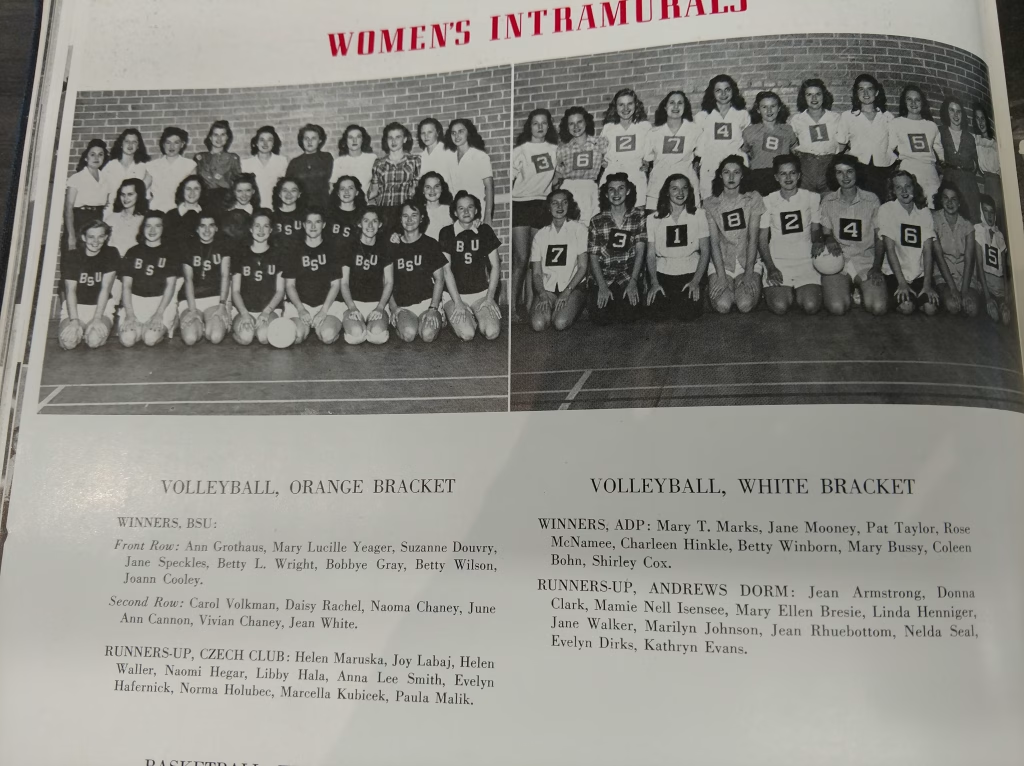
1950-1960- Volleyball becomes a social sport


1968-1972
Women’s volleyball began playing other Texas colleges but remained under the direction of the Physical Education department, not the Athletic Department. Players had to pay for their travel expenses, uniforms, and equipment. Intramural play was still the major source of women’s competition in volleyball

1972 and 1973– The Club‑to‑Varsity Transition Begins
From 1972 to 1973, Texas Volleyball existed in a hybrid world — no scholarships, no full-time head coach, and a shoestring budget, with a full-time coach not arriving until 1976. Still, the love of the game built highly competitive teams and began shaping the culture that would later lead to national titles.
The women’s sports programs operated under the Women’s Recreation Association (WRA) model. The Coach was part-time, and the “official volleyball team” competed at state tournaments, regional AIAW events, and against Texas colleges with similar emerging programs. The UT travel budget for the volleyball team was $400. The rest of the money was either donated or paid by the athlete, which included travel expenses, food, and uniforms.
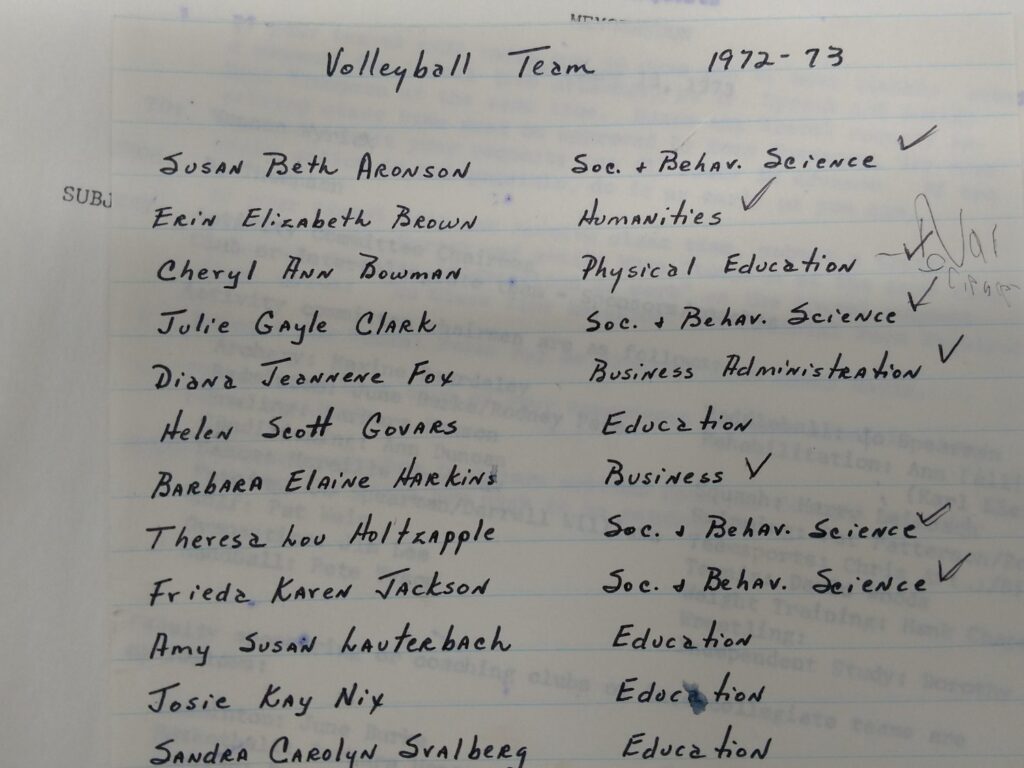
The 1972 and 1973 volleyball seasons marked a pre‑varsity, pre‑NCAA phase, part of the AIAW‑era transition. UT volleyball’s focus was on meeting Title IX requirements and recruiting top athletes from intramural and club play into AIAW intercollegiate competition. At that time, there was no official varsity head coach, and the team operated under the intramural/club setup. The first recognized varsity head coach appeared in 1974, but 1973 showed the beginnings of a true program, with AIAW Region IV competition against teams from Oklahoma, Arkansas, and Louisiana, often held in high school gyms or P.E. buildings.
1974 – The Title IX Shockwave- The Lopiano revolution — Women’s athletics was being formalized, funded, and legitimized.
In 1974, Betty Thompson was hired at Texas to prepare Longhorn women’s sports for “extramural” competition through the AIAW.
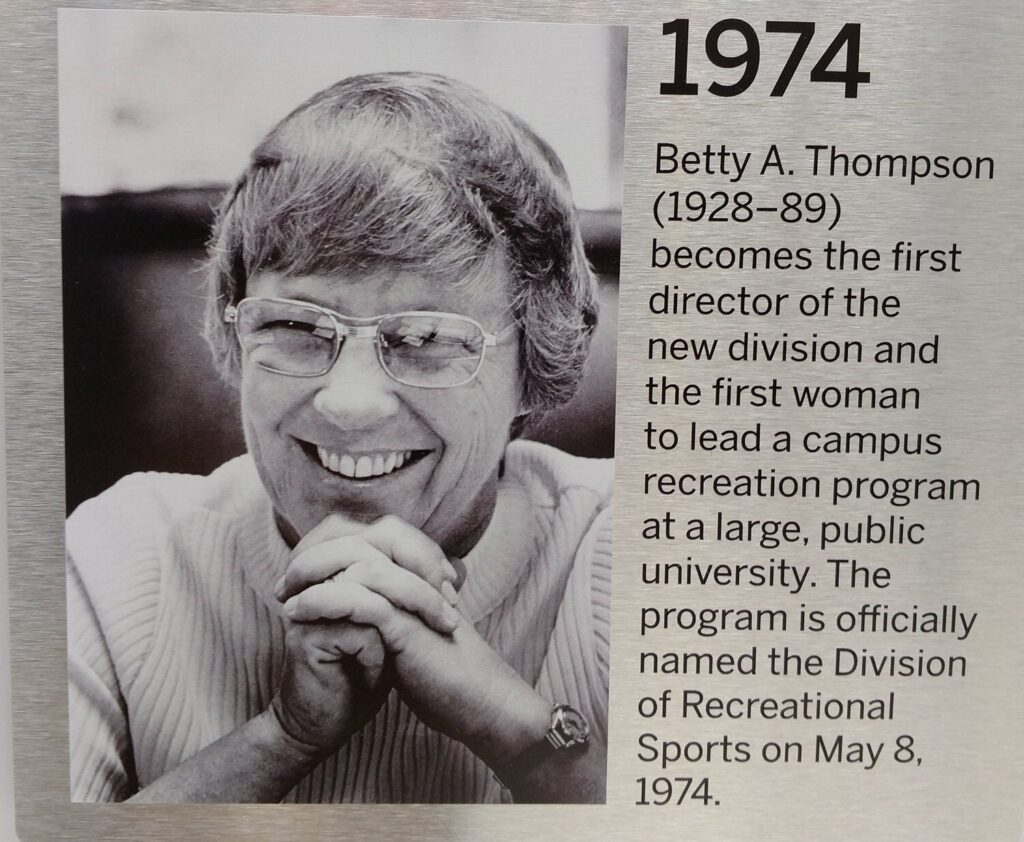
This is the year everything changed. UT launched women’s athletics as an official department under Donna Lopiano. Volleyball became a fully recognized varsity sport. The first women’s athletic scholarships at UT were awarded (not yet in volleyball, but the department’s creation lifted all sports). The team gained access to better facilities, trainers, and structured practice time, and the quality of competition started to propel Texas toward its destiny of greatness.
Pam Lampley is the first official volleyball coach at Texas.
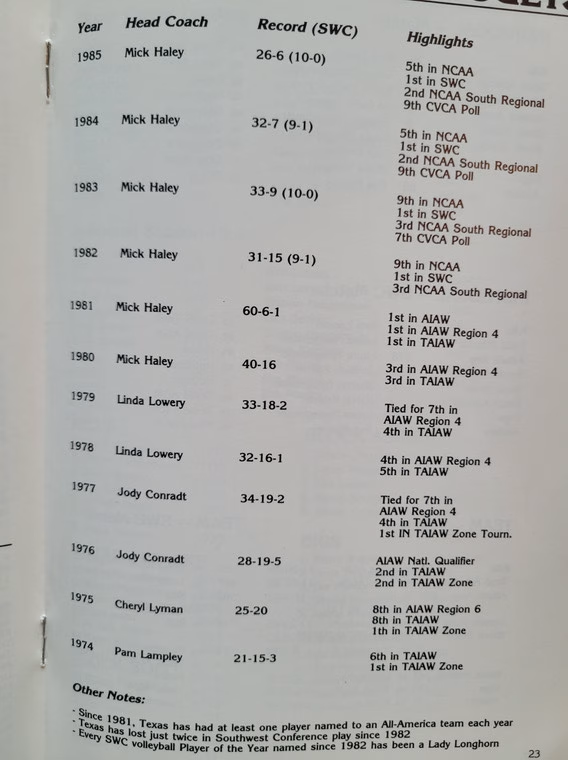
1974- 21-15-3 Coach Pam Lampley- 6th at The TAIAW tournament
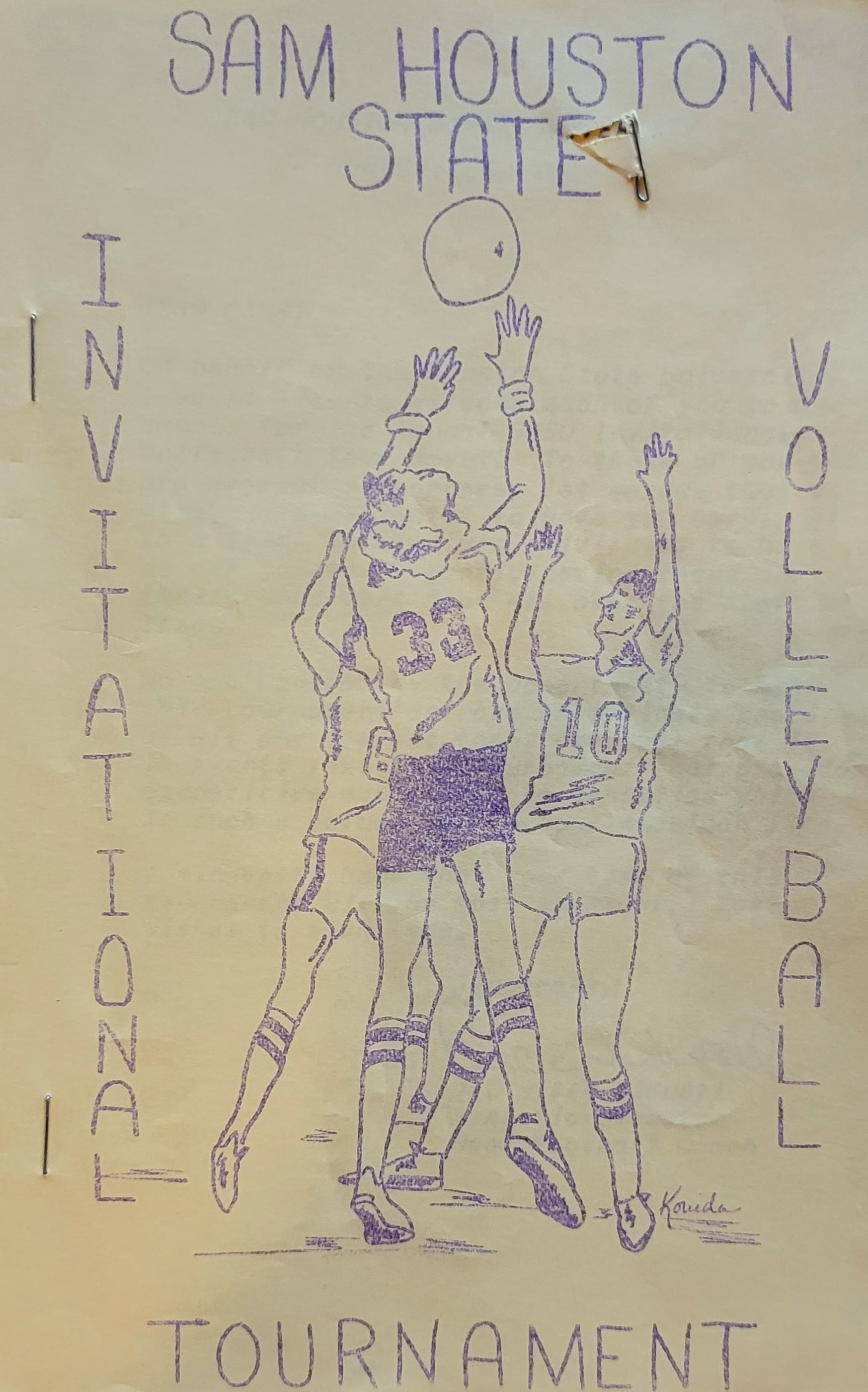
1974- Team finishes 3rd at the Texas Women’s Intercollegiate volleyball Tournament, reaching the semi-finals of the 21-team tournament. Kay Nix was the dominant force in the tournament.
The AIAW structure — Texas competed in regional and state championships, not NCAA tournaments.
-
Texas Woman’s University (TWU)
-
Houston
-
Baylor
-
Texas A&M
-
North Texas
-
Oklahoma
-
Arkansas
-
Louisiana Tech
-
Stephen F. Austin
-
Sam Houston State
Since 1974, volleyball has won more than 75 percent of its games.
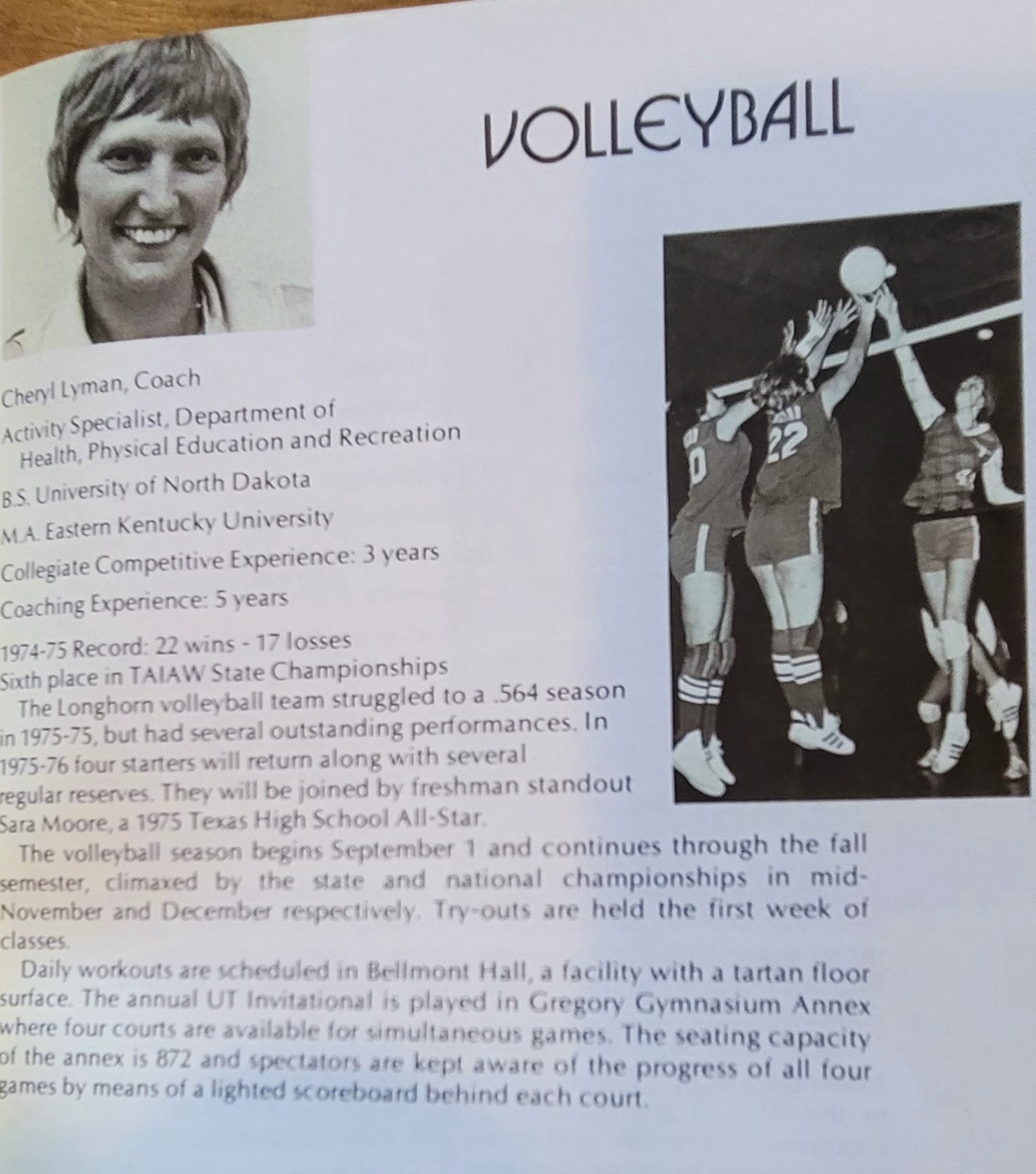
1975 — Coach Cheryl Lyman- 8th in the AIAW Region 4 record for season 25 -20

The Horns are not ranked high in the state and finish 8th.
Women did not play much organized volleyball in high school, so for 4 months Lynn Kercheval learned the game at the YWCA. She took a beginning volleyball course at Texas, then tried out for the team, made it, and was voted Co-Captain.

-
The team played a demanding schedule including:
-
AIAW state championships
-
AIAW regional championships
-
Invitational tournaments across Texas and Oklahoma
-
-
Coaching was still part‑time, but the program now had:
-
Regular practice schedules
-
Strength and conditioning support
-
Administrative backing
-
-
UT athletes were now receiving equipment, travel funding, and medical support.
1975 score card

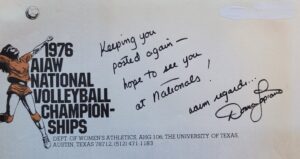
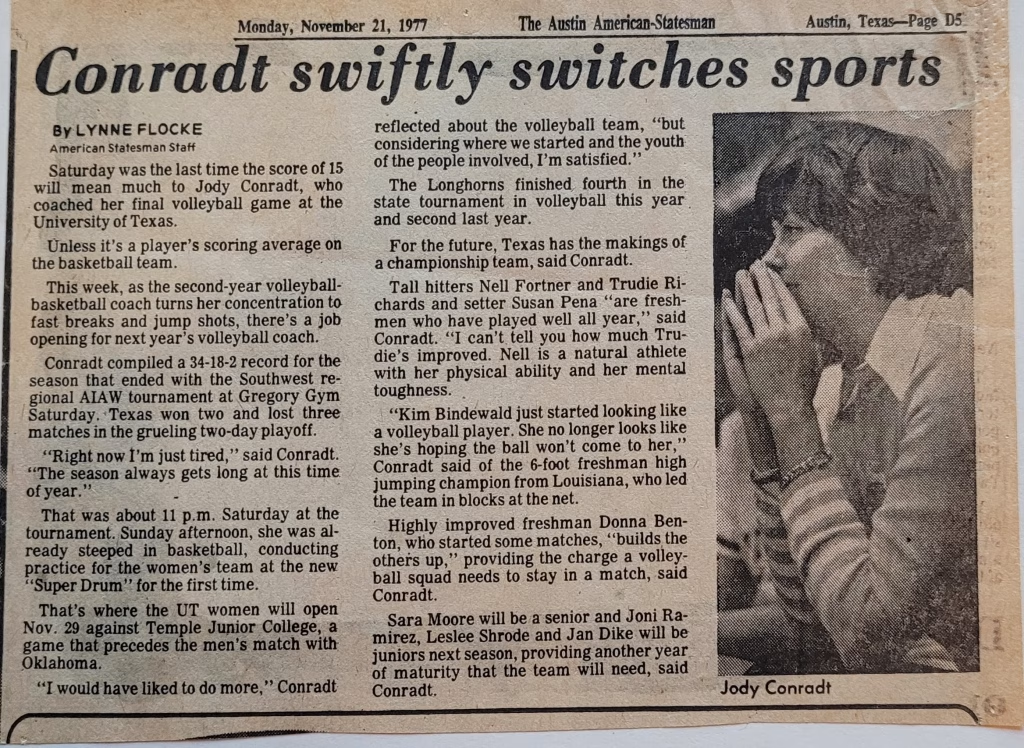
1976–1977 — Coach Jody Conradt 7th in AIAW Region 4
1976 record: 28–19–5

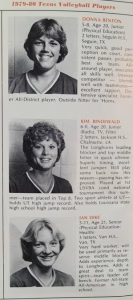
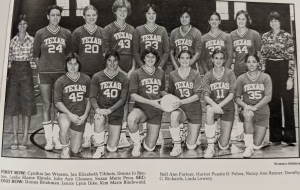
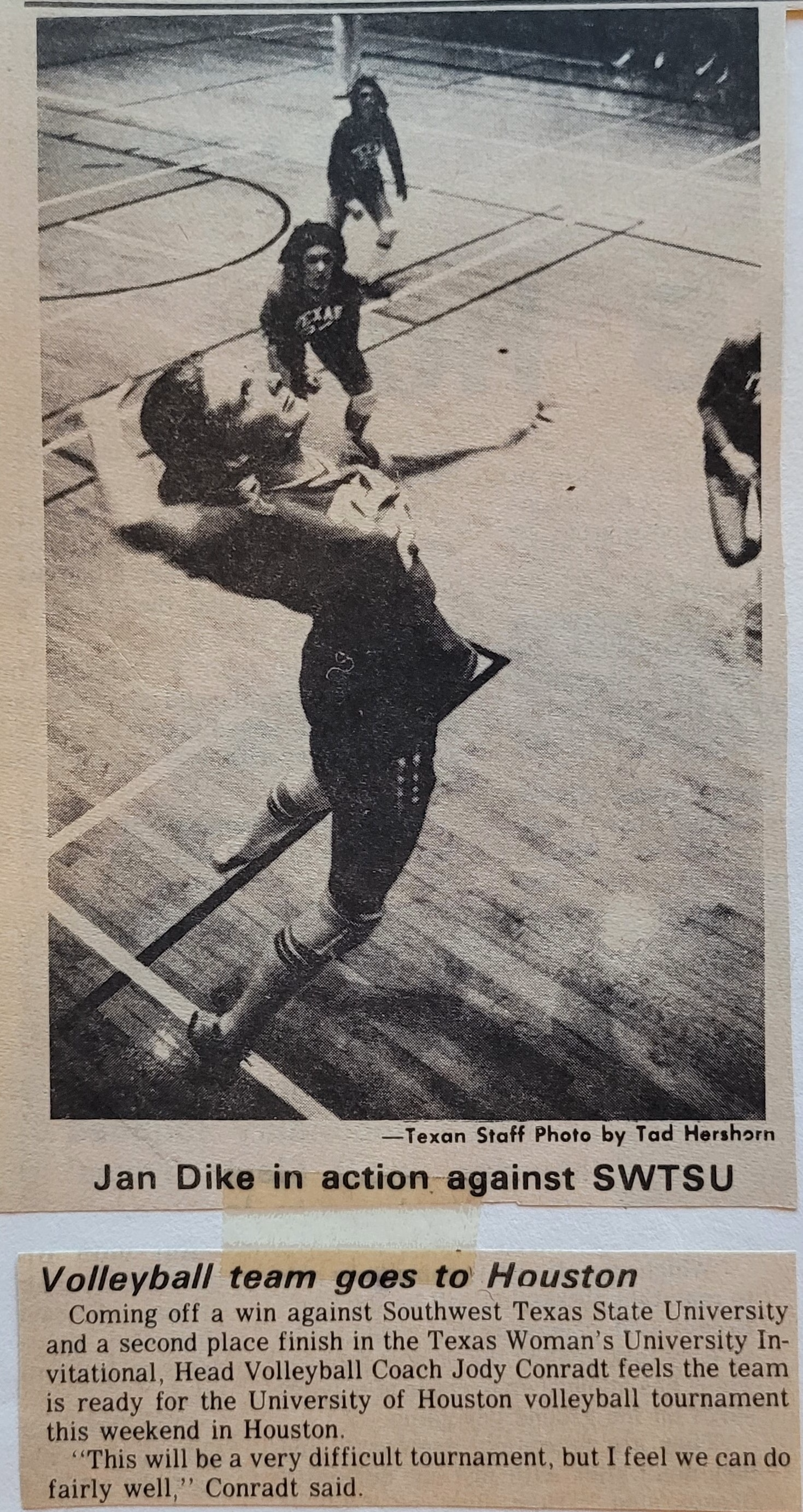
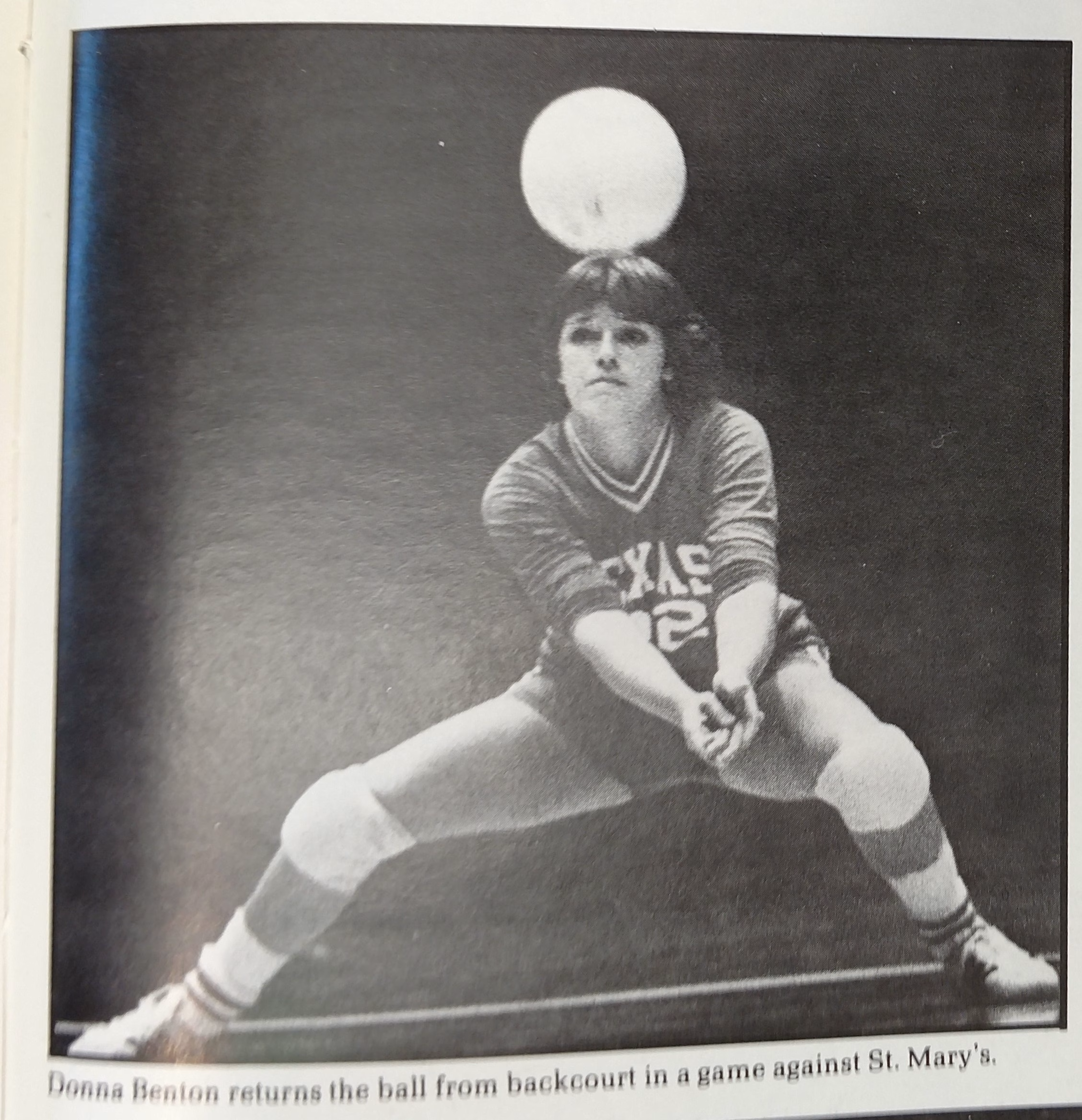
1976 women’s volleyball Front row Bindewald, Shrode, Benton, Wesson, Pena, Conradt – back row Cammack, Dike, Fortner, Moore Ramirez, Richards
Coach Conradt arrival brought an eye for great athletes, a winning culture that bred success, and an ingrained will to succeed. For the first time, Texas had full-time leadership and a commitment to enhance financial resources. Texas now played in the AIAW Region IV, competed for state championships, and budgeted for multi-team invitationals. While not a powerhouse in the early years of Title IX, Coach Conradt and Donna Lopiano built the foundation for success. Jody’s teams were structured, ambitious, and professional. Jody coached before pre-specialization volleyball, but her visionary coaching style was one of many important reasons Texas was the national champion in 1981, and her core teachings were a factor in making Texas an NCAA powerhouse.

1976 – Coach Conradt – The team was injury-riddled. Texas is embarrassed by BYU and UCLA. The Horns are still not ready for prime-time volleyball, but are improving. The team made an exciting journey to Hawaii for a tournament. Texas surprised all participants at the TAIAW tournament at West Texas State by reaching the finals. Joni Ramirez led the team this son. Texas, at the regional meet, is seeded 6th.

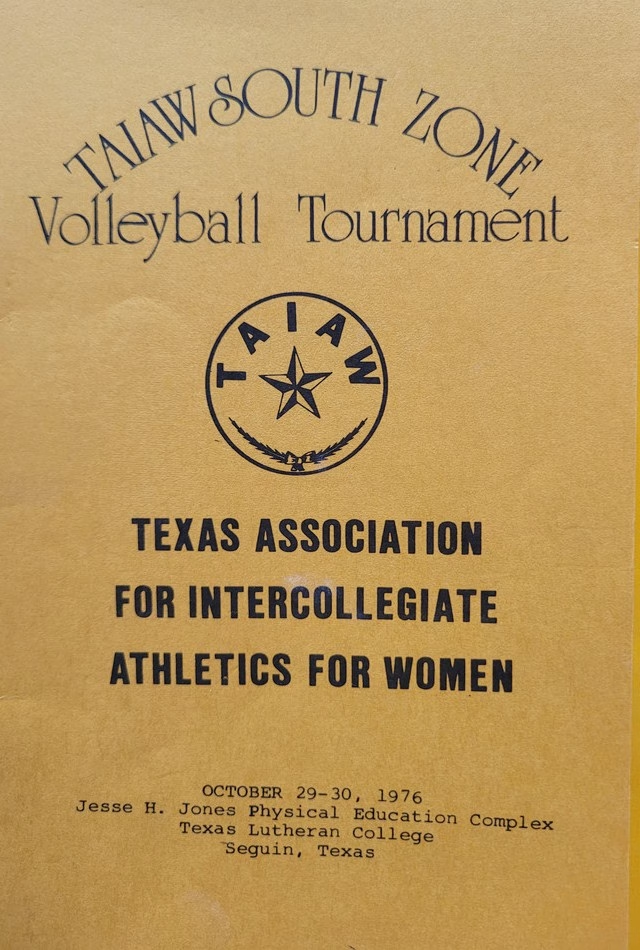
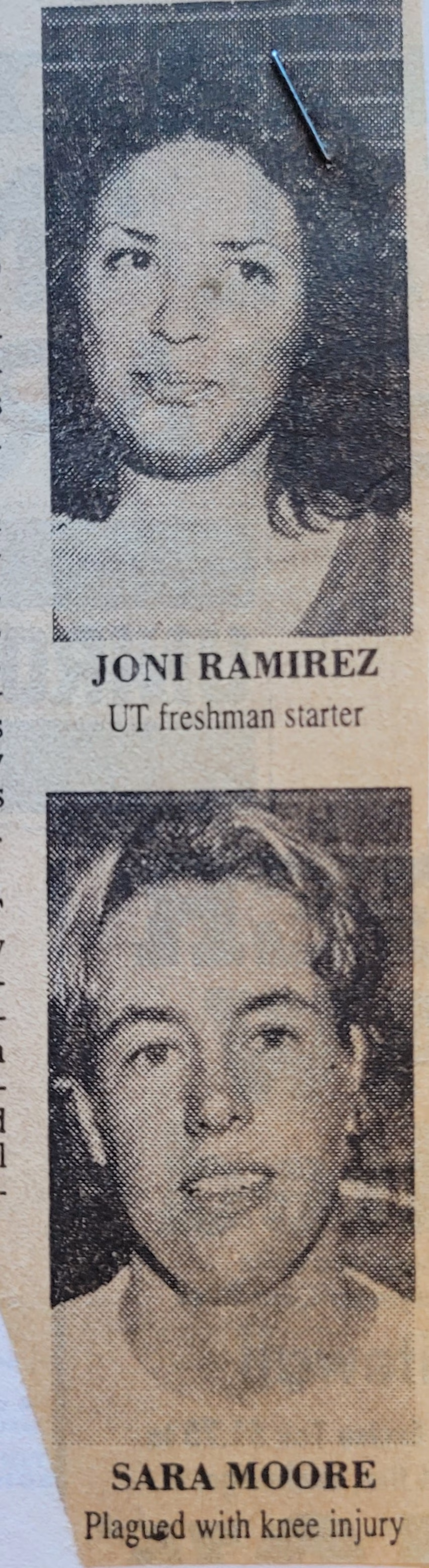
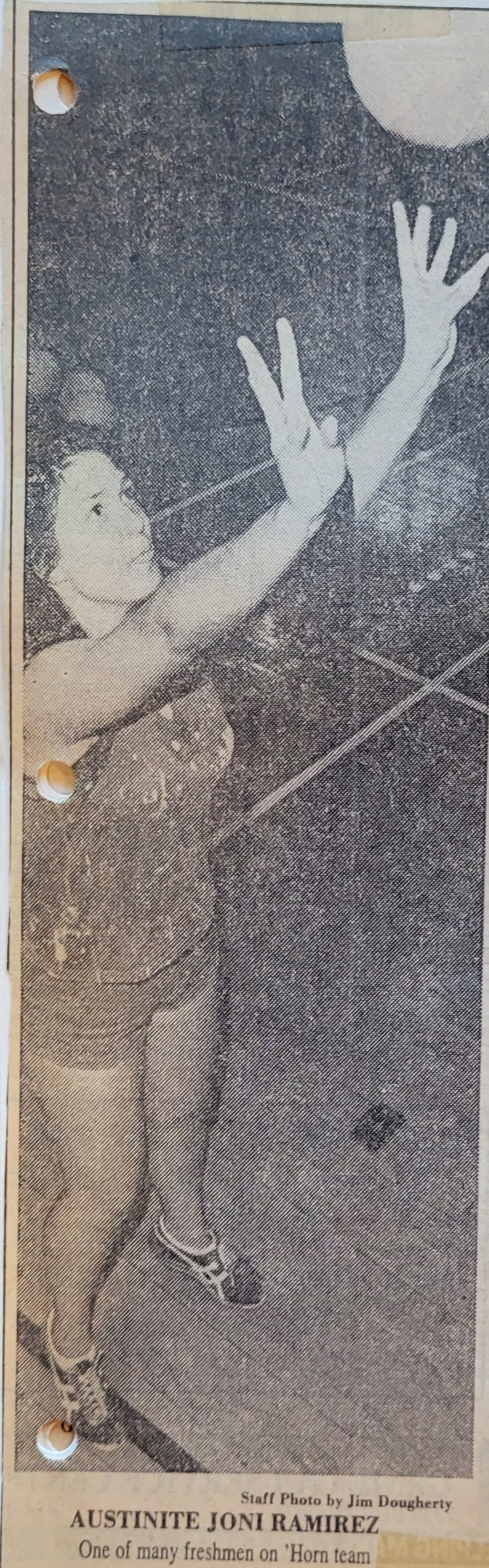
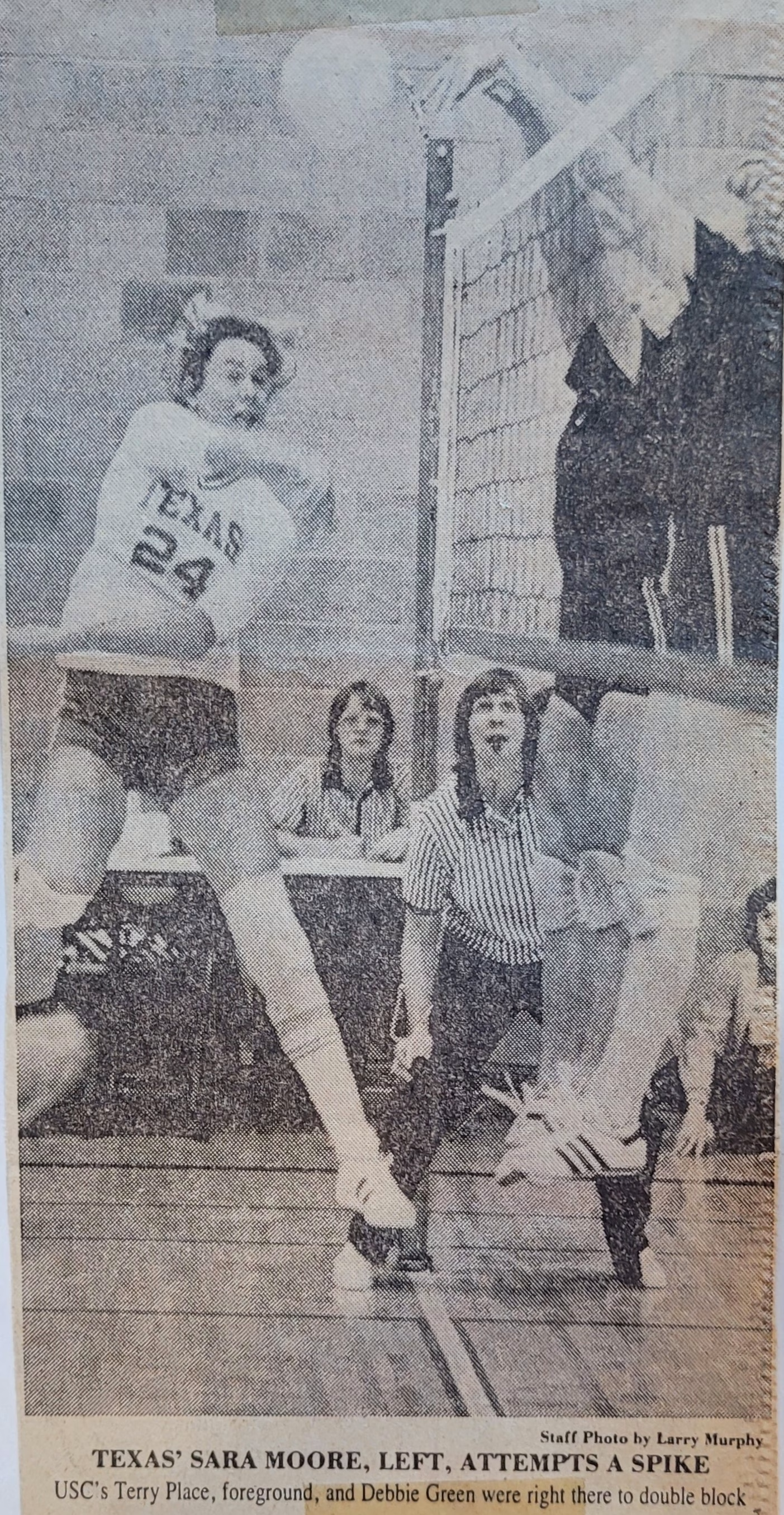
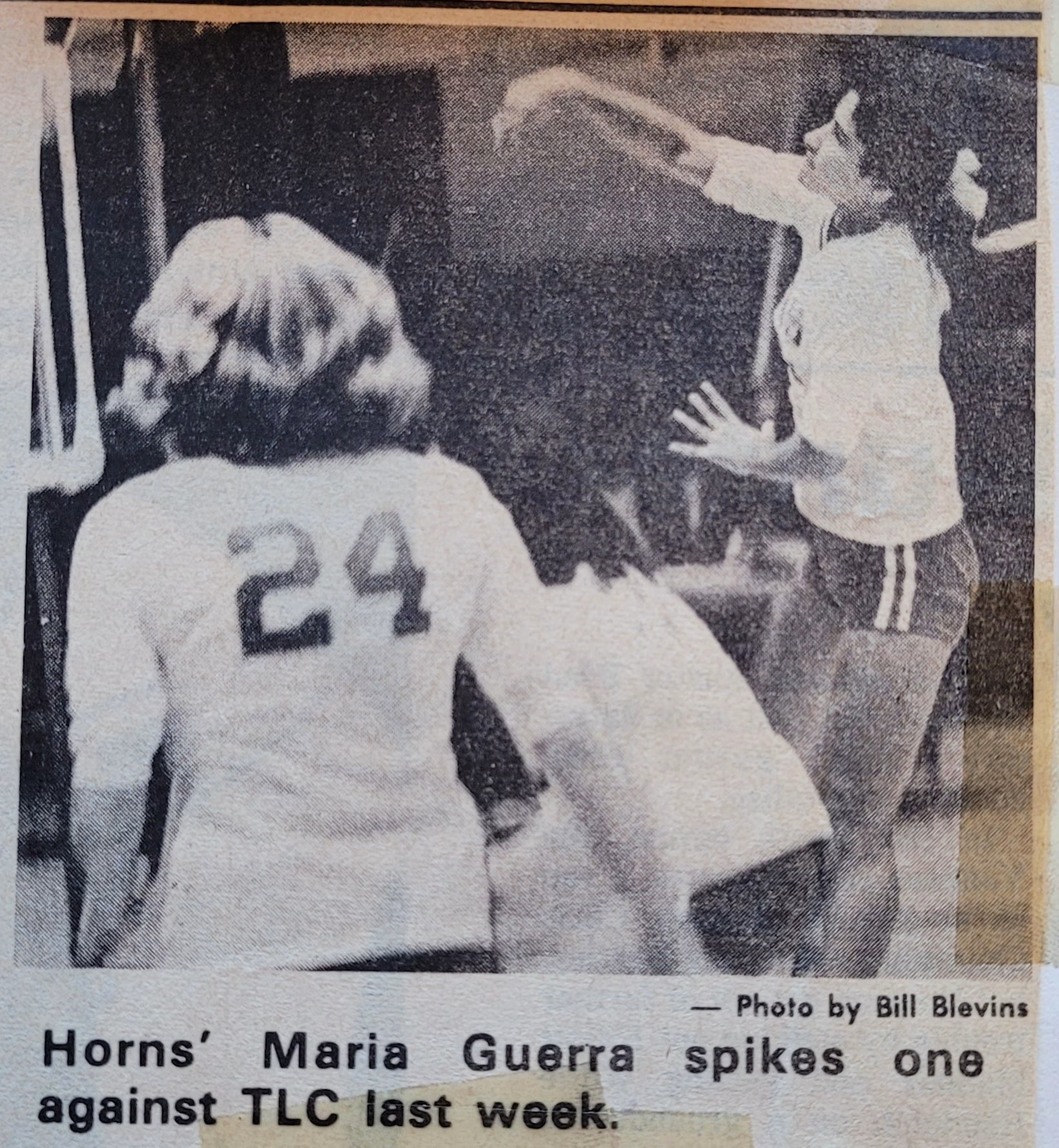
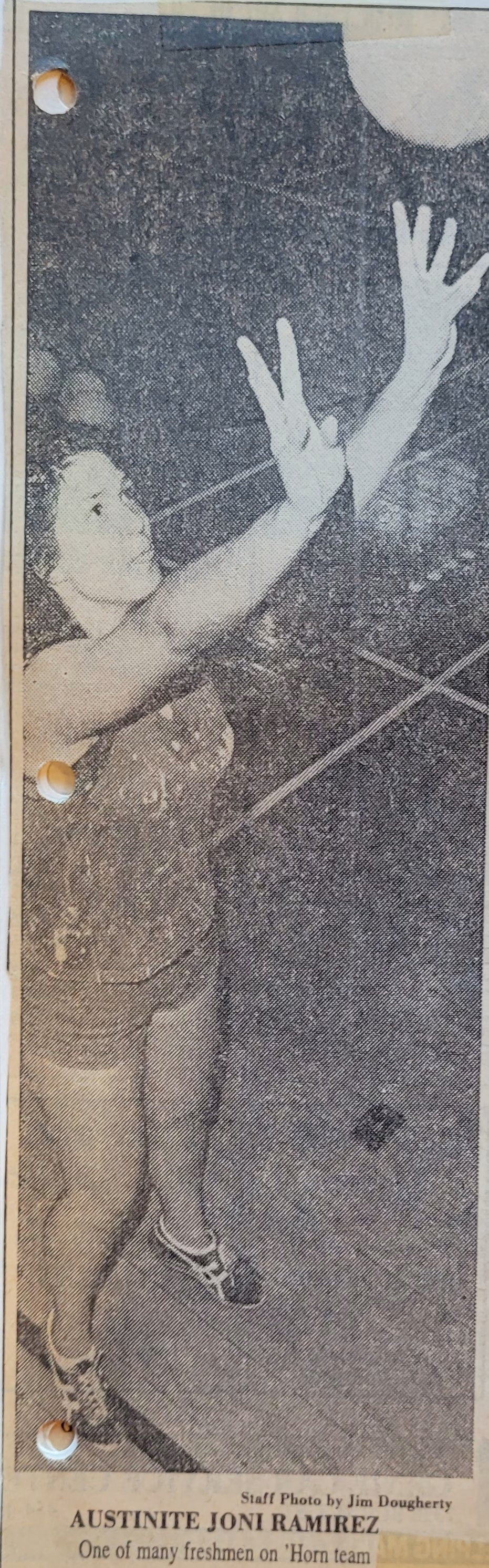
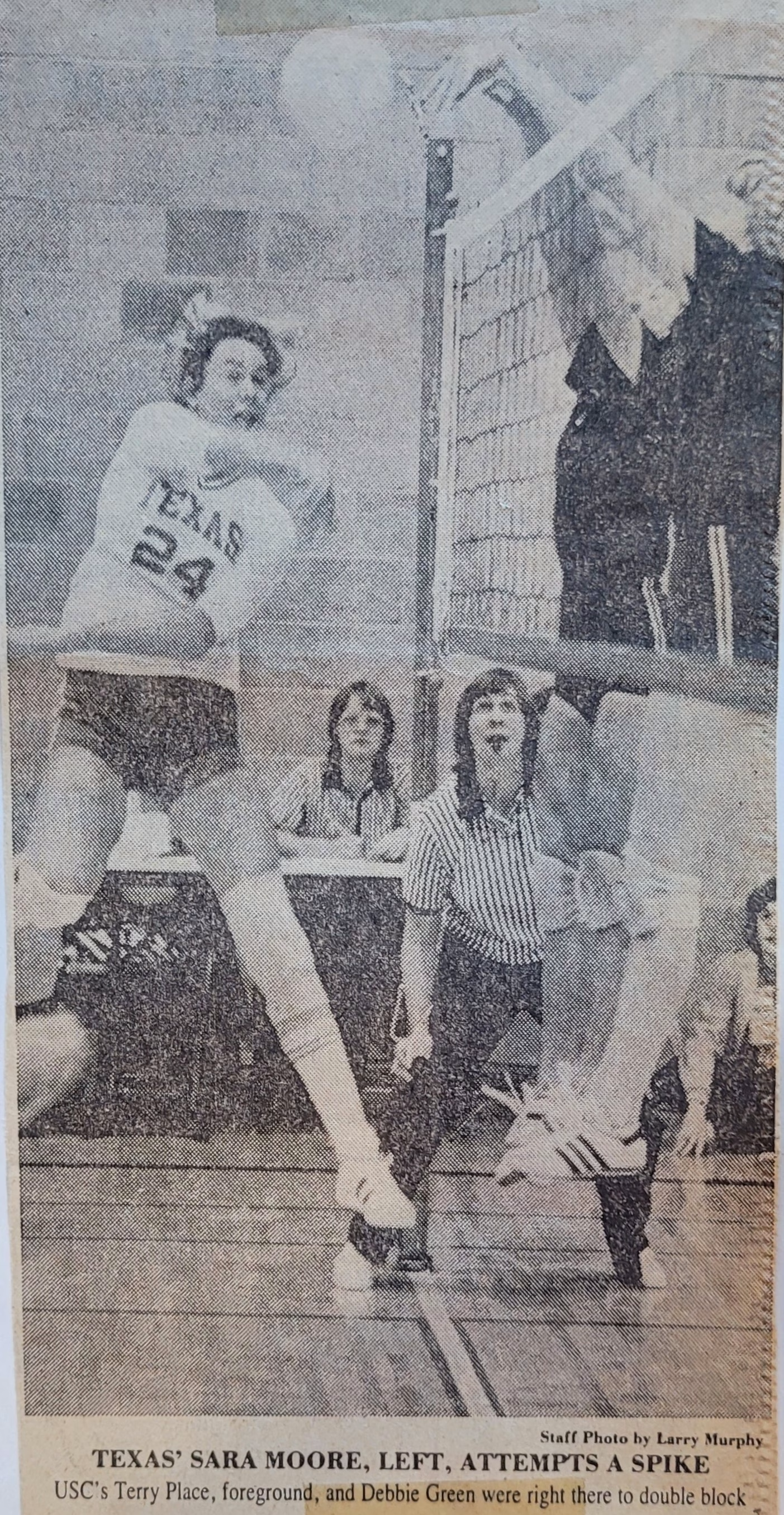


1977 Conradt record: 34–19–2
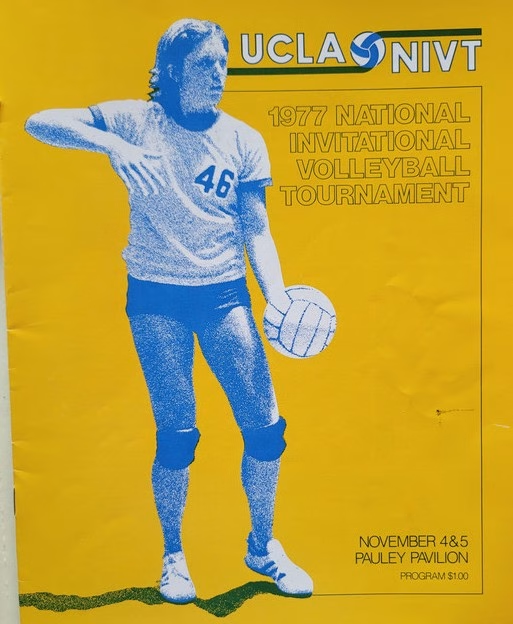
1977 – Most of the athletes on this team are freshmen. Attendance at the National Championship game held the first night at Gregory Gym cost $9000 and only drew 200 fans. Texas lost over $10,000 on this event. Twenty-four teams were invited to the tournament.
Jody Conradt was hired as UT’s first full‑time women’s coach — for both basketball and volleyball
1977 volleyball seated- Douglas, Catherine Wilson, Elizabeth Wilson, Pils – standing- Bing, Rusk, Garcia, Scardina

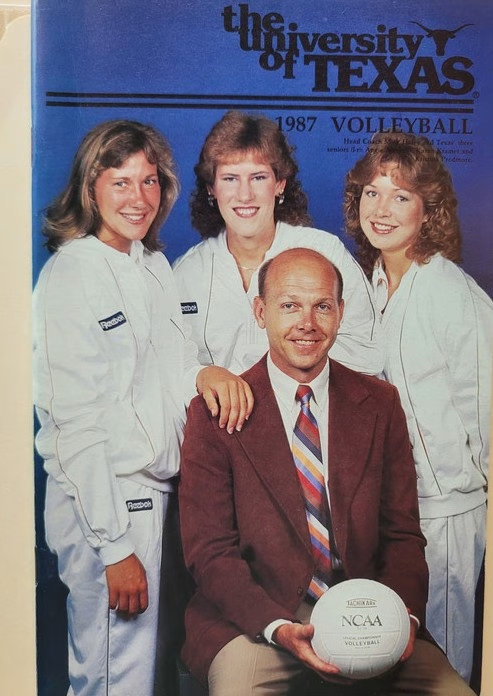

t
Horns qualify for the SWAIAW state tournament.
Longhorns place 4th at the TAIAW state championship.
After two years as the volleyball coach, Conradt chooses to specialize in Longhorn basketball. In 1975, Horns finished 4th in the state volleyball tournament, and in 1976, finished 2nd.

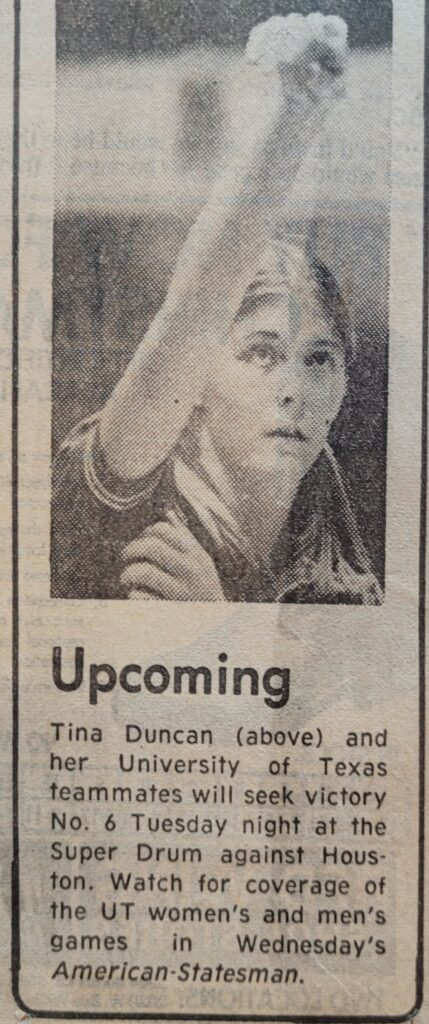
1977 volleyball Tina Duncan
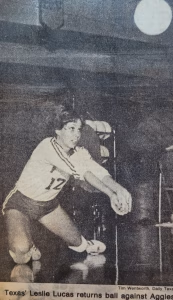
1978-1979 COACH LINDA LOWERY
Record 1978 32-16-1 4th in AIAW region 4
Record 1979 33-18-2 7th in AIAW region 4

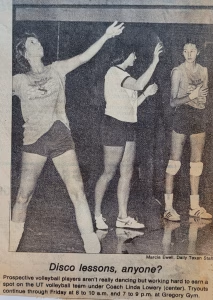
New Head Coach Linda Lowery- Coach Linda Lowery was the first full-time volleyball coach at Texas.
She led the program for two seasons before Mick Haley’s long tenure began in 1980.
Volleyball and women’s basketball are the critical sports in fan attendance. Some say that Texas is now a volleyball school.
It does not take long for fans to realize that volleyball matches are a great spectator sport. The staff, the students, and the entire production cast resulted in unique and well-done matches.
Stephanie Demunbrun says, “I worked for Texas Athletics for 30 years. In fact, her 8-year-old son, Jeremy, loved volleyball so much that it determined his career path. In 2022, Jeremy was hired as an assistant coach at Duke University.
With a full-time coach, the schedule was upgraded to include the United States Volleyball Association playing in the spring semester in addition to the regular AIAW competition in the Fall semester. The Horns show promise this year but do not make the national tournament.

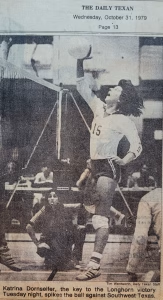
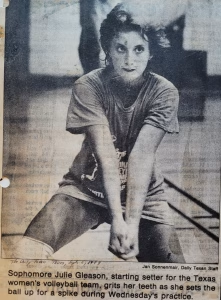
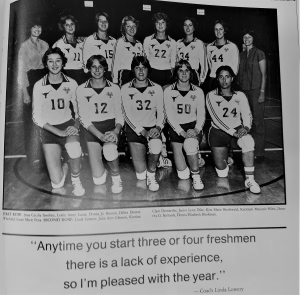
1978 Women’s volleyball front row- Sanchez, Lucas, Benton Whitfield, Pena – top row_ Lowery, Gleason, Dornseifer, Dike Bidenwald, Hiles, Richards, Brinkman


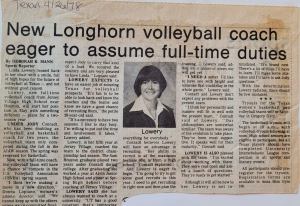
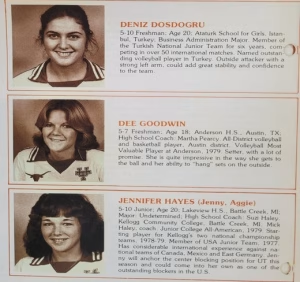
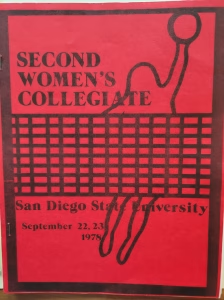
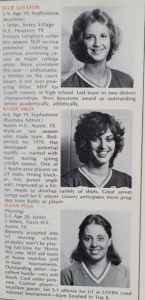
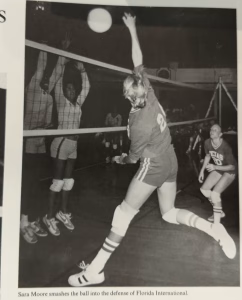
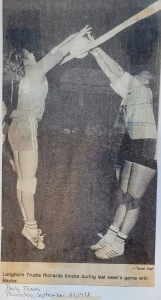
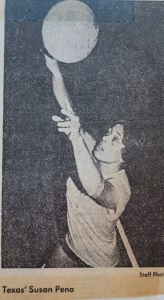
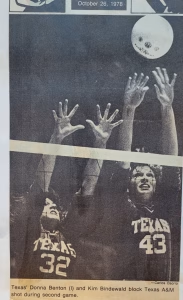
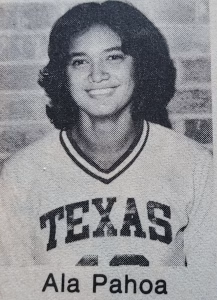
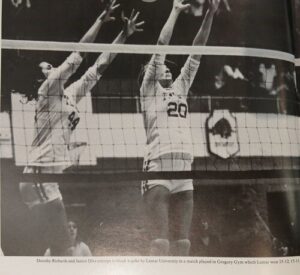

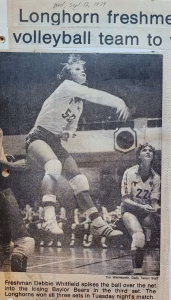
1979 Coach Linda Lowery 33-18-2
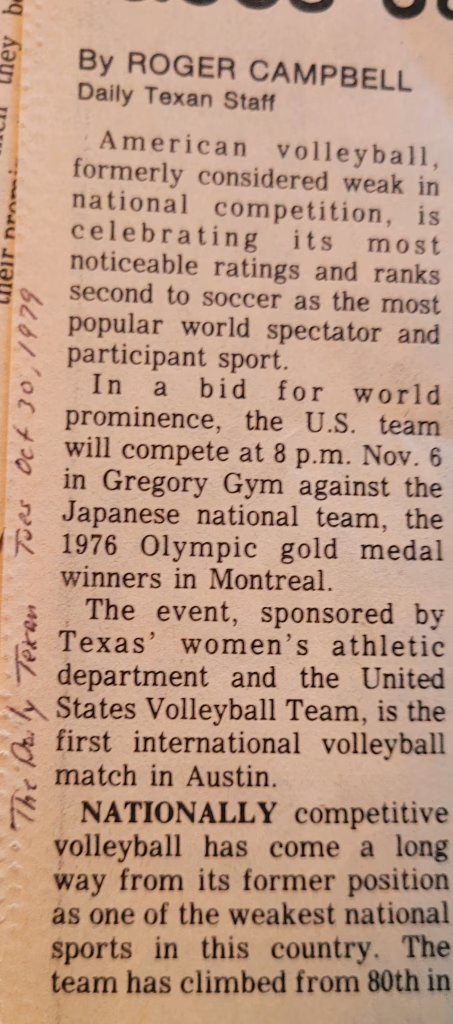
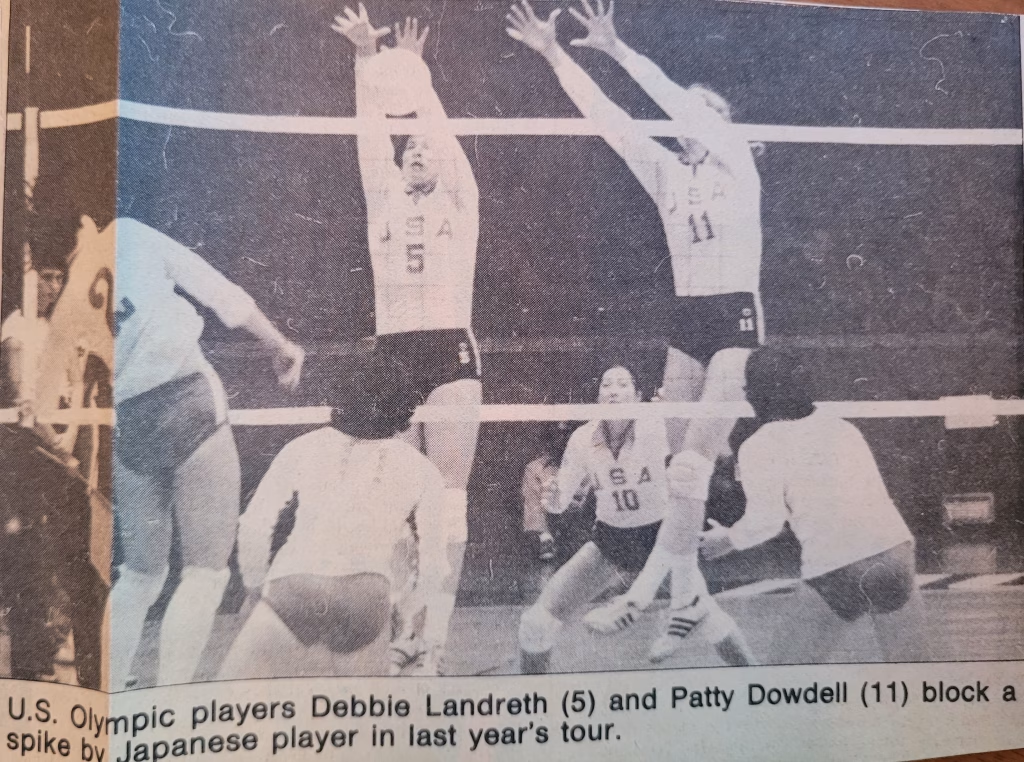
1979 – 9 teams met at Gregory Gym competed for the first step toward the AIAW national championship. Texas was seeded 3rd at the tournament.


1972-1979 Volleyball photos
https://alcalde.texasexes.org/2019/09/after-some-recent-near-misses-texas-volleyball-is-poised-to-win-it-all-again/