The History of Longhorn Cheer Leaders
Cheerleading images from those who were there from 1961 to 1970

1970 Cheerleaders Brenda Brown Dickey 
1970 Cheerleaders Brenda Dickey 
Mary Gayle Weber was a Texas cheerleader From 1959-1962 . In 1961- she was head cheerleader
Kimberly Klaus is with Mary, and she was a Texas cheerleader in 1986.
1970 Brenda Brown Dickey cheerleader 
1970 Cheerleader Brenda Dickey
Cheerleaders
Cheerleading came into Vogue in the year 1895 among Football Fans.

In the early years, Cheerleaders exuded “wholesome sexiness” when performing, but the media changed that to some extent starting in the 1960s. Looks vs. talent was the key element in the selection process. Colleges wanted 12 Farrah Fawcett more than a person with great spirit to galvanize the fans. Media chose to sexualize Cheerleaders in the world of sports.


1961

Barron, Herring, McAfee, Weber, Pace, Nash, Rosenthal, Darling, Collins
1963 Twirler Mimi Jannsen

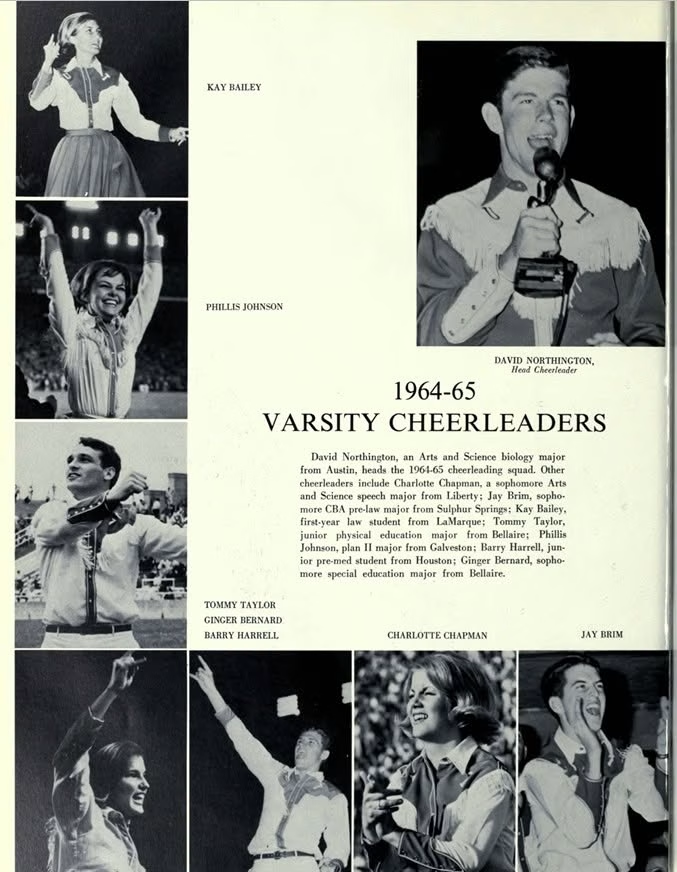
1964-1965
During the 1950s and the late 1970s, beautiful white women and white men dominated the cheerleading scene. The Rangerettes and Apache Belles were emblematic of the role of beautiful white women as the perfect support organization. Sports television executives exploited this beauty for decades.

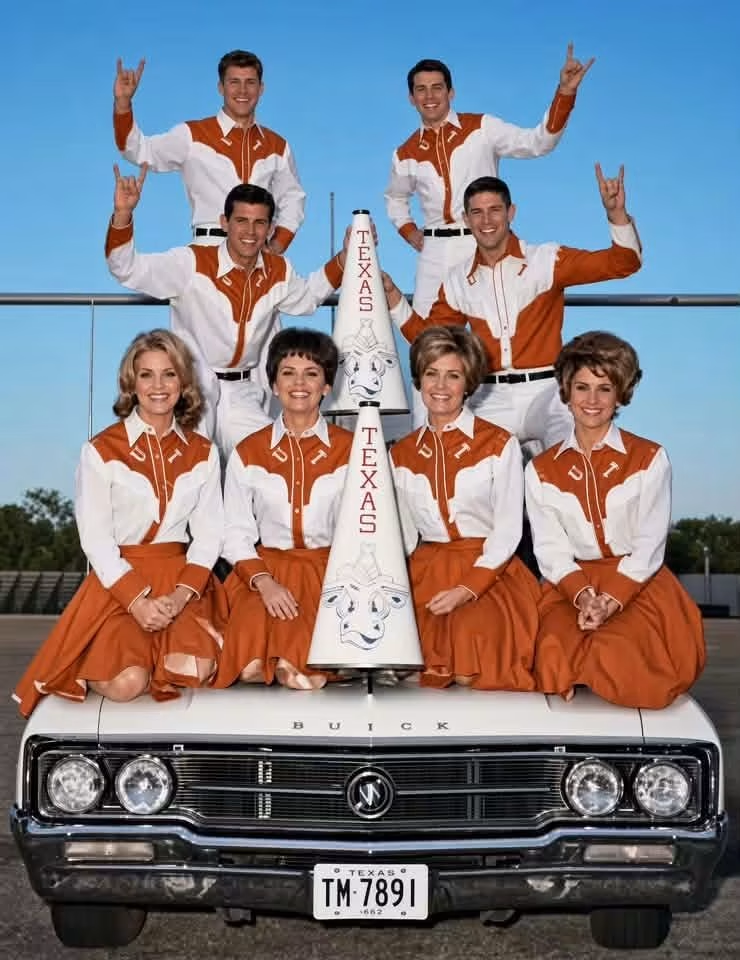

1974


1987
Prepping for the game, cheerleaders talk about the pep rallies in the classroom and in the dorms. Cheerleaders know they are the spirit of the University and have obligations to the team and the fans to entertain and raise enthusiasm. This year’s cheerleaders placed 2nd at the National Cheerleaders Association.

1990’s
Cheerleading offers T.V. exposure, a great social life, and maybe even weight loss. Cheerleaders make lots of hard work look easy during game day. Training for the “job” starts in the summer attending competitive Cheerleading functions at Southwest Texas) Texas State University. Workouts are exhausting and prepping for games is time-consuming. Their goal is to enhance crowd participation and for them to dispaly their Longhorn spirit. When not preparing for a game, cheerleaders make public appearances at charity events and community service activities.


1990’s


2007
2007- cheer and pom- pom – the main goal of the spirit program is to support and uphold the traditions of the university and it’s athletics. Cheer and pom pom think of themselves as ambassadors to the student body. It all boils down to the pom pom and cheerleaders keeping the notorious Texas spirit alive.


2008
The UT Pom Squad, led by Aubrey Tidwell, is composed of 22 women as part of the spirit campaign. Members of the Pom team encourage the crowd through dance using a combination of ballet, jazz, and hip-hop.


**Handling the Crowd**: The atmosphere at the game is electric, with cameras flashing and loud music blaring, setting the tone for the cheerleaders. The passion for the Longhorns fills the stadium. The cheerleaders practice three times a week for two hours, starting at 6 A.M., to prepare their game plan for the fans. Pre-game activities include taking pictures with fans, mingling with the Horns, selling calendars, and signing autographs. There are five total stunt groups, and three of them also cheer at basketball and volleyball games. Seniority determines which cheerleaders will attend away games.
1955- The beginning of the Hook’em Horns sign.
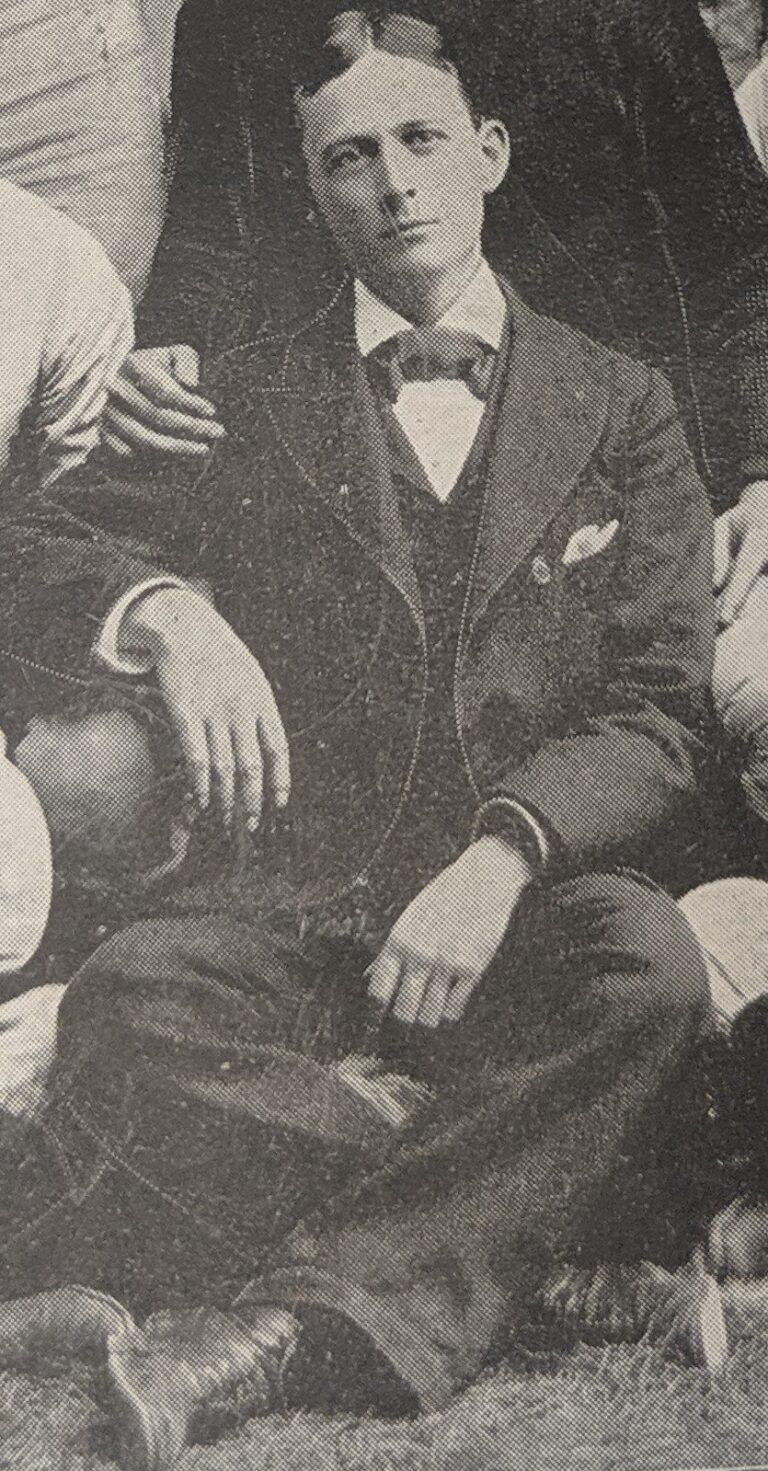
1955 is the Beginning of Big Bertha and the Hook ’em Horns sign. Harley Clark (far right in photo) says he was inspired by a sign the Italians used that looked like a stylized longhorn with two protruding fingers representing the horns.
Many years later, he learned that this Italian gesture referred to the husband of an unfaithful wife.

1955 is the Beginning of Big Bertha and the Hook ’em Horns sign. Harley Clark (far right in photo) says he was inspired by a sign the Italians used that looked like a stylized longhorn with two protruding fingers representing the horns.
In Italy, the Hook ’em Horns hand sign has a very different meaning from what it represents in Texas — and it’s important enough that Italians instantly recognize it.
What the gesture means in Italy
The sign is known as le corna (“the horns”). It is not a sports symbol. It is a superstitious gesture used to ward off bad luck or the evil eye — the malocchio.
• When the fingers point downward, it’s a protective gesture, like knocking on wood in the U.S.
• When the fingers point upward and are directed at someone, it can be insulting, implying that the person is being cuckolded or is unlucky.
When the fingers point downward, it’s a protective gesture, like knocking on wood in the U.S.
• When the fingers point upward and are directed at someone, it can be insulting, implying that the person is being cuckolded or is unlucky.
Italian folk tradition treats the horns as an apotropaic symbol — something that deflects misfortune. People might subtly flash it when:
• hearing bad news
• passing a funeral
• feeling someone’s envy
• wanting to avoid bad luck
This protective meaning is deeply rooted in Mediterranean superstition and is still widely understood today.
How does this differ from Texas
In Texas, the gesture is a proud, positive symbol of Longhorn spirit.
In Italy, the same gesture is about luck, superstition, and protection, not sports.
Here is a link to Harley’s story. https://www.tiktok.com/@thetexasbucketlist/video/7577610476956208398?is_from_webapp=1&sender_device=pc