
Texas Longhorn Sports Pioneers
Sports pioneers are risk-takers whose vision makes new beginnings possible. They move programs forward through determination and a focus on the future. Where others fall short, pioneers can introduce new ideas and remove barriers that stand in the way. Coaching pioneers face the same challenges as any coach—budgets, recruiting, and internal turf battles—but they must also overcome the added difficulties of building or transforming a program.
From the 1950s through the 1980s, many of the most important sports visionaries were women. Before women could be recognized as athletes, athletic directors, or coaches, they first had to secure equal rights. Donna Lopiano’s oral history podcast in the TLSN archives speaks to that struggle.
University administrations, not just at Texas, have often been slow to accept change. It took UT 50 years to accept the reality that women could handle the physical demands of competitive sports. As Tessa Nichols notes, early 20th-century women’s sports were “circumscribed by gender norms and restrictive ideologies which delineated the acceptable ways in which women could perform in sports.” At the time, “excessive” competition was considered too “masculine” and even harmful to women’s reproductive health. Physical educators focused on protecting what they saw as the health and educational “best interests” of female students, which meant rejecting the competitive, record-setting, and individual-glory aspects of sport.
It took decades to overturn these false beliefs, and sports pioneers were the ones who did it. For that reason, they should be judged by different standards than coaches who succeeded within the system without challenging its underlying system. Although pioneers want to win in the short term, they understand that building a lasting winning culture matters more than immediate results.
Pioneer coaches must also manage fan expectations, which often do not match reality. Many never overcome that challenge. Coach Strong was a pioneer as the first Black head football coach of an established successful program facing a decline, but he was dismissed because Longhorn Nation’s expectations did not fit the condition of the program he inherited.
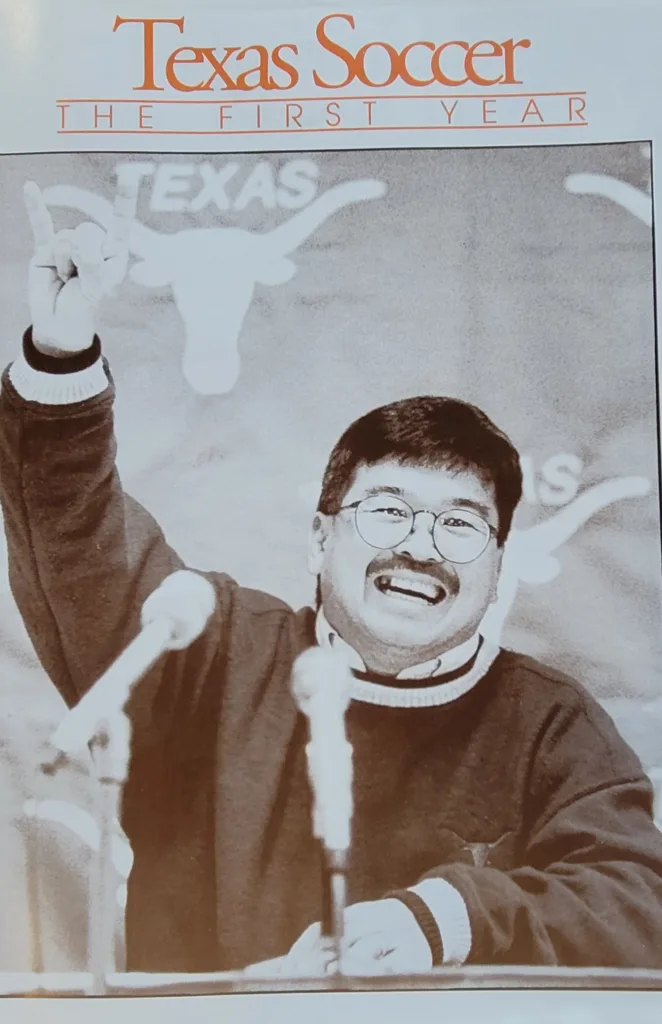
Deciding when to move on from a coaching pioneer is difficult. Dang Pibulvech launched women’s soccer programs at four colleges, including Texas. Building a sport from the ground up requires courage, energy, and patience. Although Pibulvech had those qualities, he could not overcome every obstacle, and after five years at Texas, poor results led to his resignation.
Some Longhorn pioneers were simply unlucky. Coach Rodney Page was the right hire at the wrong moment in Longhorn history. As the first Black coach in UT sports history, he was a visionary who built the women’s basketball program from scratch. But instead of celebrating that achievement, UT’s change in athletic leadership ended his tenure.
Here is my list of UT Pioneers .
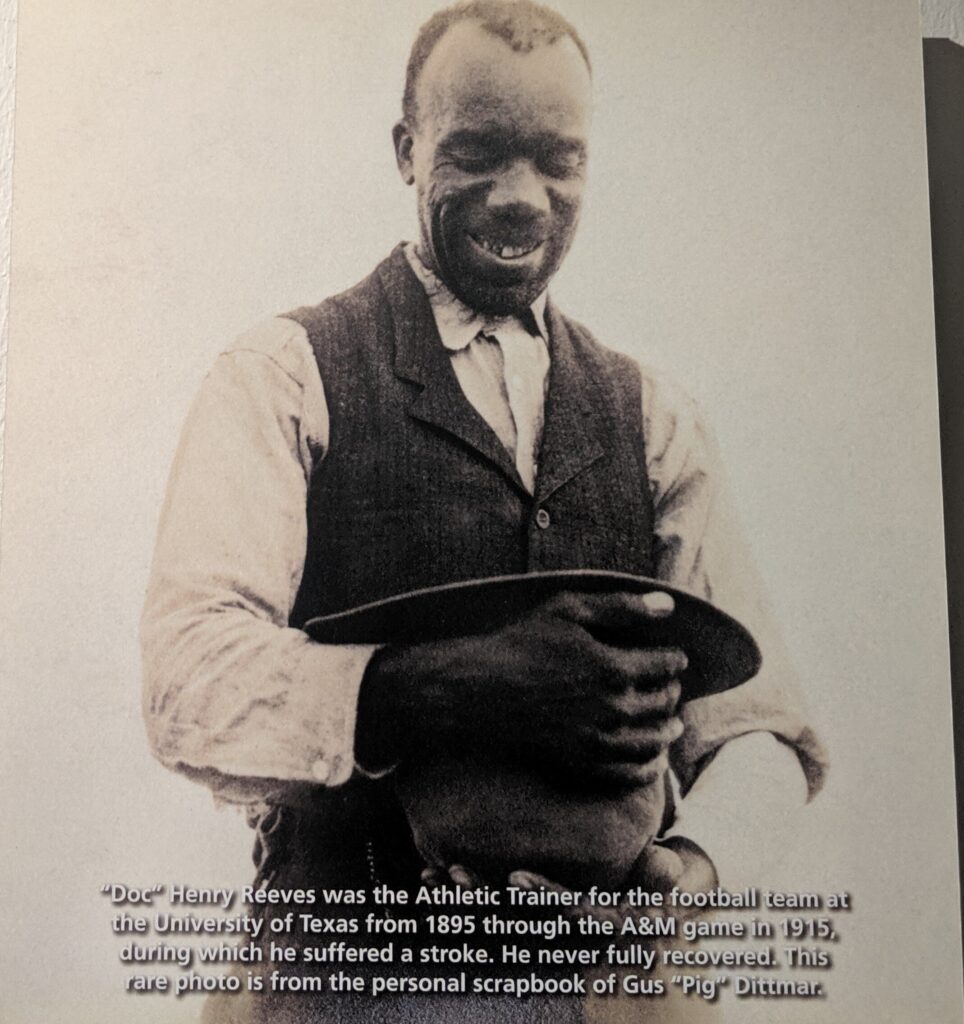
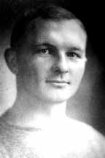
1895- Doc Reeves- Trainer Manager – see below
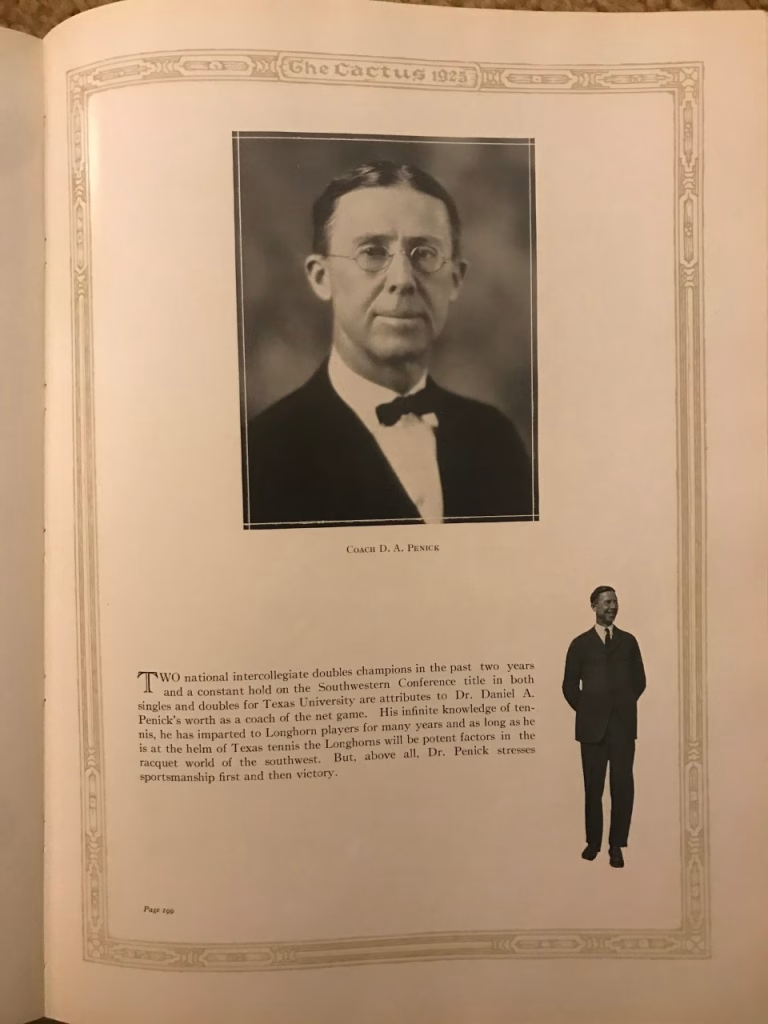
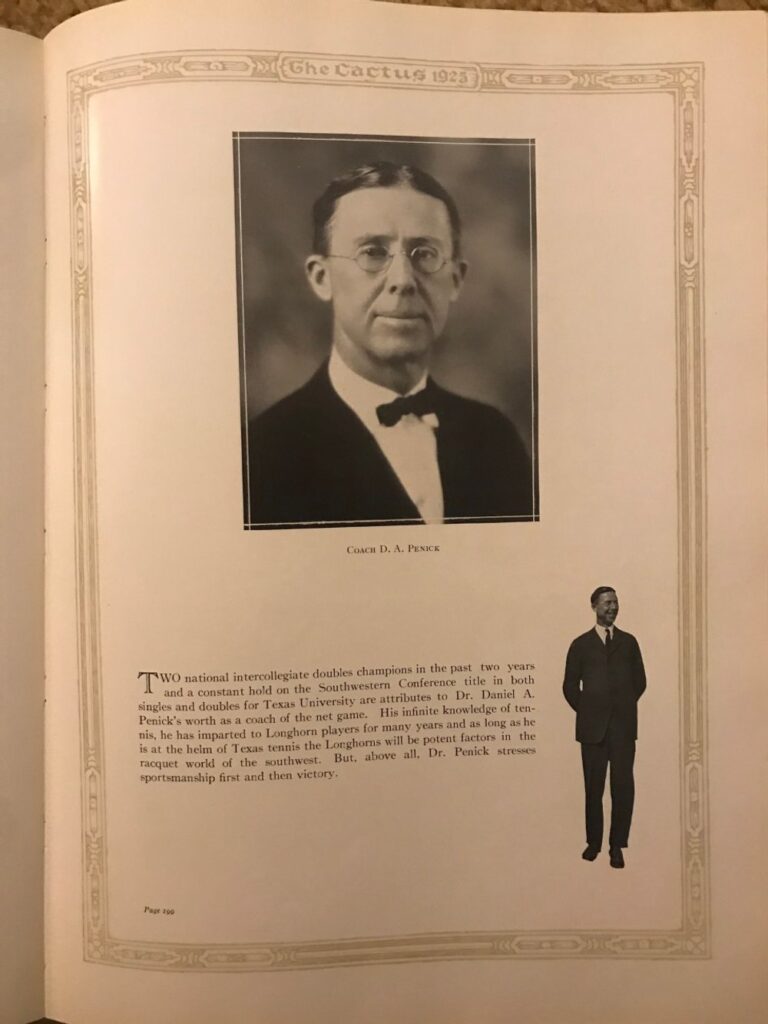
1901- Daniel Penick click – “tennis.”
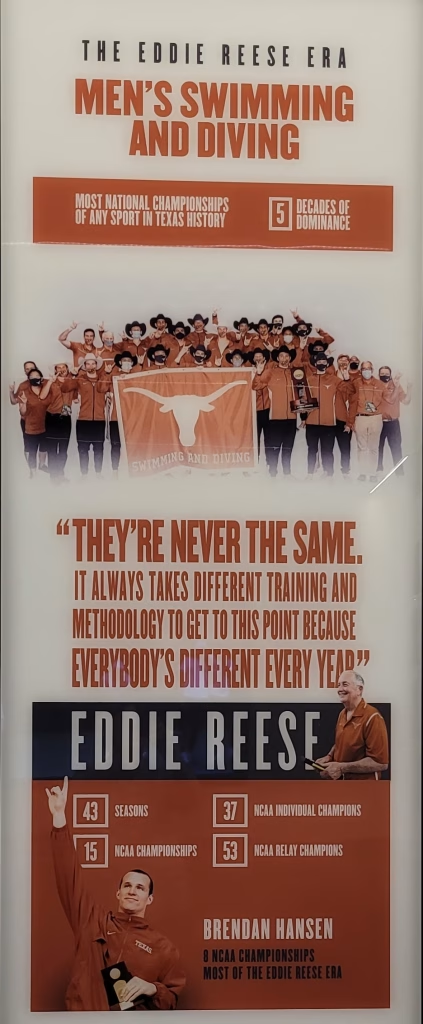
Coach Reese – swimming
1985 – Matt Scoggins Longhorn diver and national champion and future diving coach
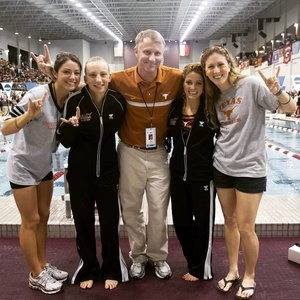
1911- Billy Disch “baseball.”

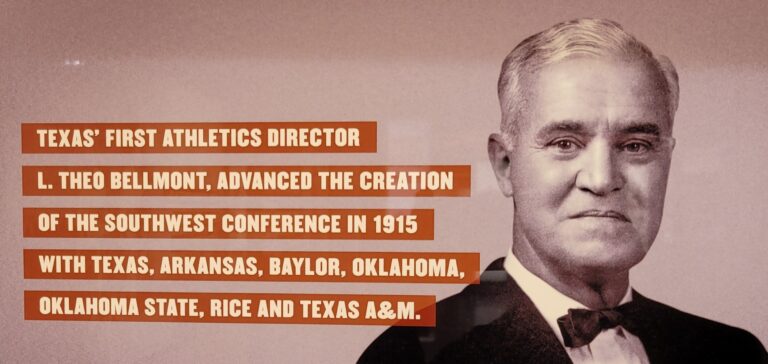
1913- Theo Bellmont- Coach and Athletic Director
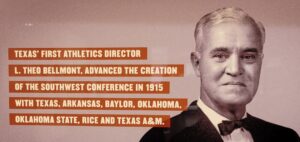
Director
1918- Anna Hiss was a pioneering physical educator who spent 36 years at the University of Texas at Austin. She was instrumental in professionalizing women’s physical education, establishing degree programs, and building the infrastructure and the Club sports memberships that would shape women’s athletics at UT for decades.

1919- Lutcher Stark – Board of Regents
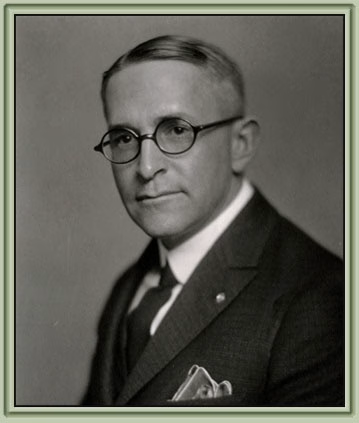
1919- Roy McClean- weight lifting
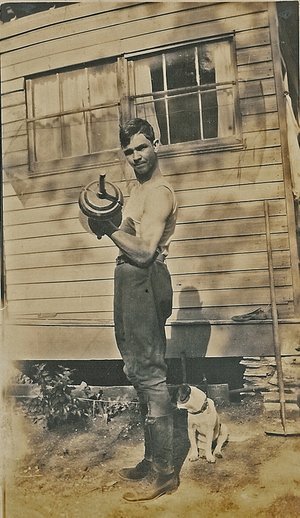
1931- Harvey Penick-” Men’s Golf.”

1935- Tex Robertson – “swimming”

1937- Betty Jameson “women’s golf” Attended the University of Texas, where she worked with Harvey Penick, giving her a direct tie to UT’s legendary coaching lineage. U.S. Women’s Amateur Champion (1939, 1940), Women’s Western Amateur Champion (1940, 1942), Texas State Amateur Champion four straight years (1936–39)

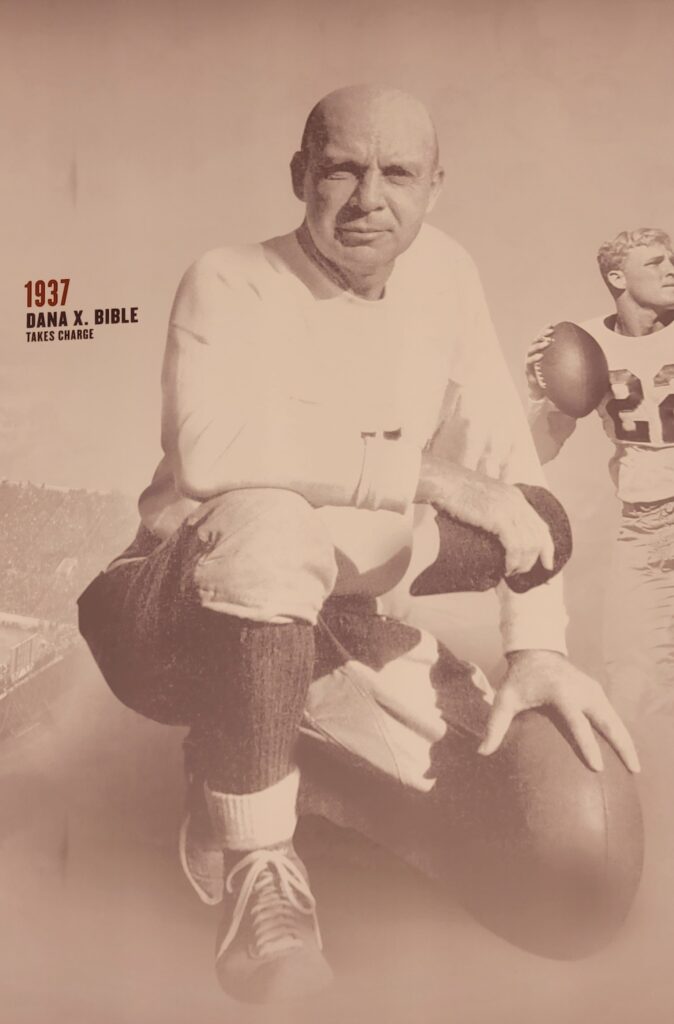
1938- D.X. Bible
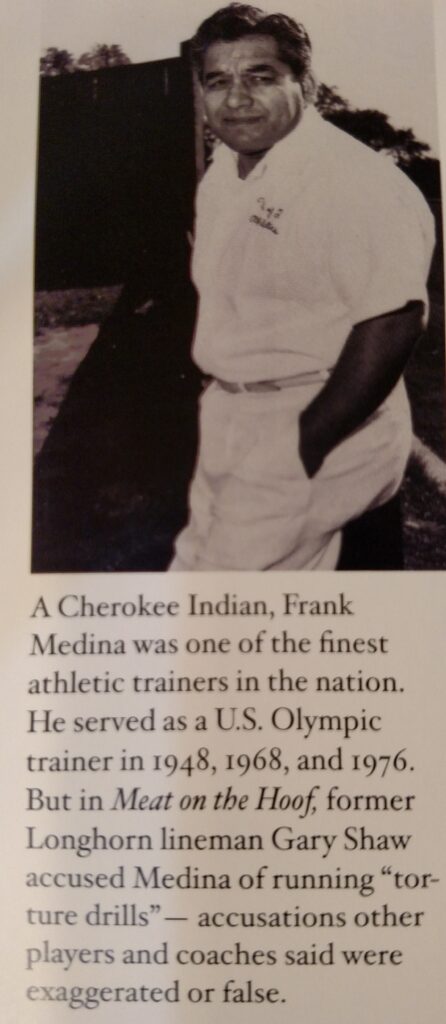
1945- Frank Medina- “trainer”
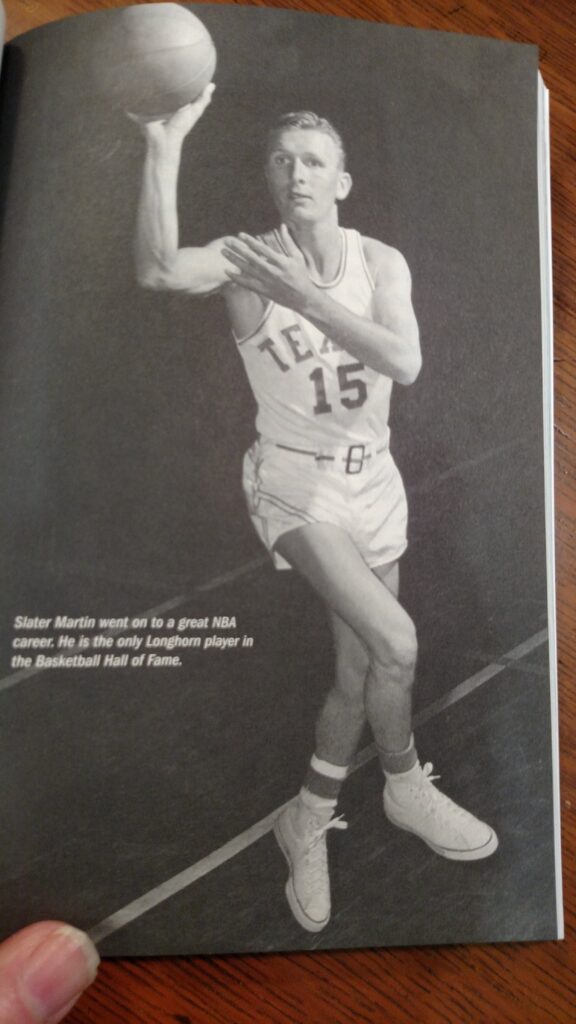
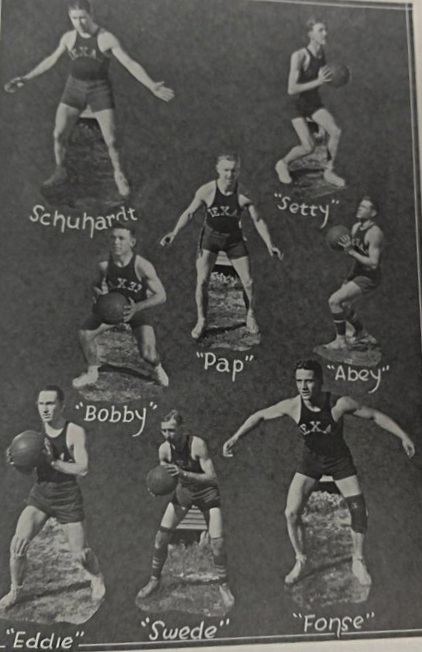
1946- Slater Martin, “men’s basketball.”
1947 Jane Patterson” swimming” A Jane Patterson enrolled in the Physical Training for Women program, She participated in WRA activities, including swimming,She was part of the cohort of women who were among the first to receive structured swimming instruction at UT, She was not a varsity athlete (none existed), but she was part of the earliest coached swimming groups on campus.
1947 Betsy Rawls ” golf ” Transferred to the University of Texas at Austin Degree: Physics, Class of 1950, While at UT, she trained under Harvey Penick, which ties her directly into the Texas golf lineage.Started golf at age 17 Texas Women’s Amateur Champion: 1949, 1950
• Trans‑National Champion: 1949
• Broadmoor Invitational Champion: 1950
• Runner‑up at the 1950 U.S. Women’s Open (as an amateur!)

1957- Pat Weis – “women’s golf.” Pat Weis isn’t just a coach in UT history — she is the foundational figure who built the women’s golf program from scratch and carried it through every major structural change in women’s collegiate athletics. Her tenure spans the pre‑Title IX era, the AIAW years, the NCAA transition, and the rise of Texas as a national golf power. 7 Southwest Conference titles, She coached:
11 All‑Americans
4 SWC Players of the Year
3 Honda‑Broderick Award winners
1 AIAW National Champion
1 NCAA Tournament medalist
11 Top‑10 national finishes
24 NCAA Championship appearances
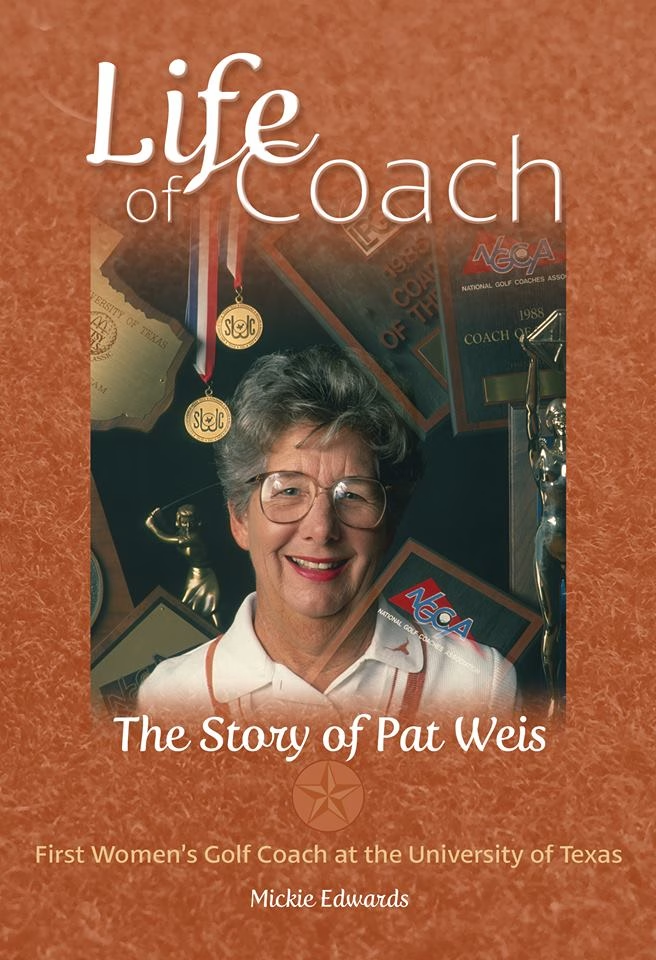

1957- DKR – Football – there are 4 sections on DKR.

1964- Charlie Cravens – “Rehab.”

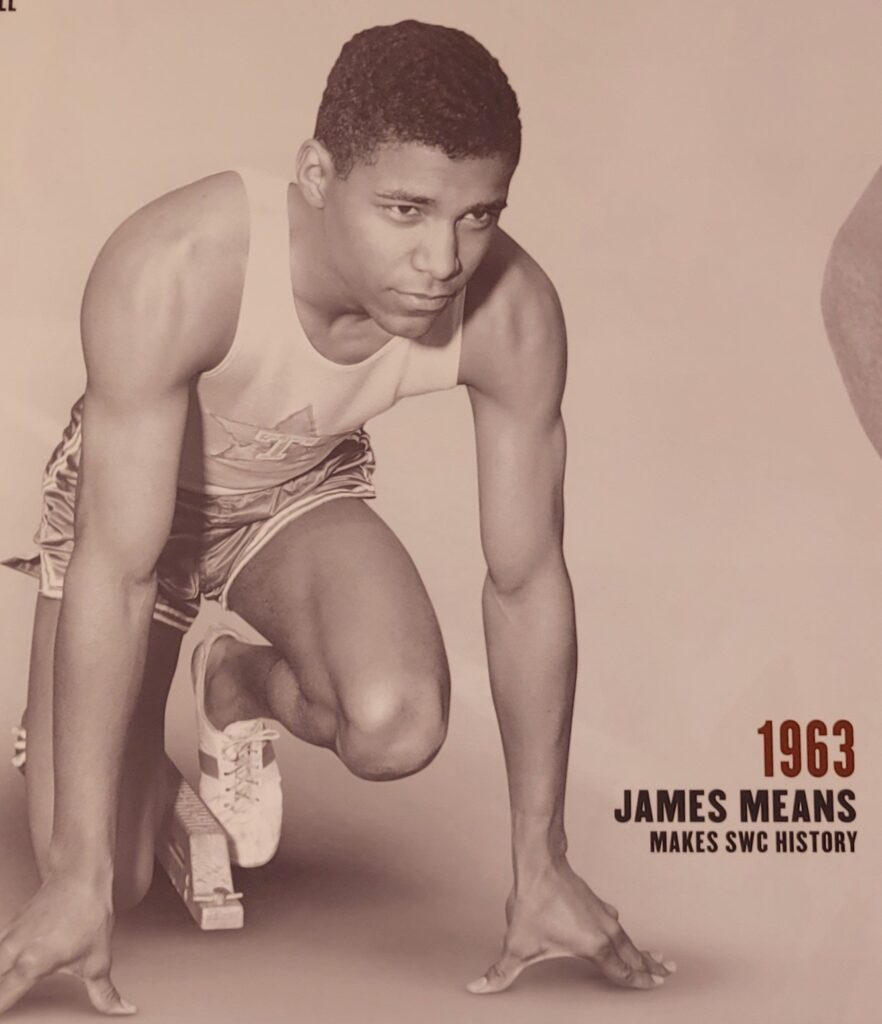
1964- James Means – “track”
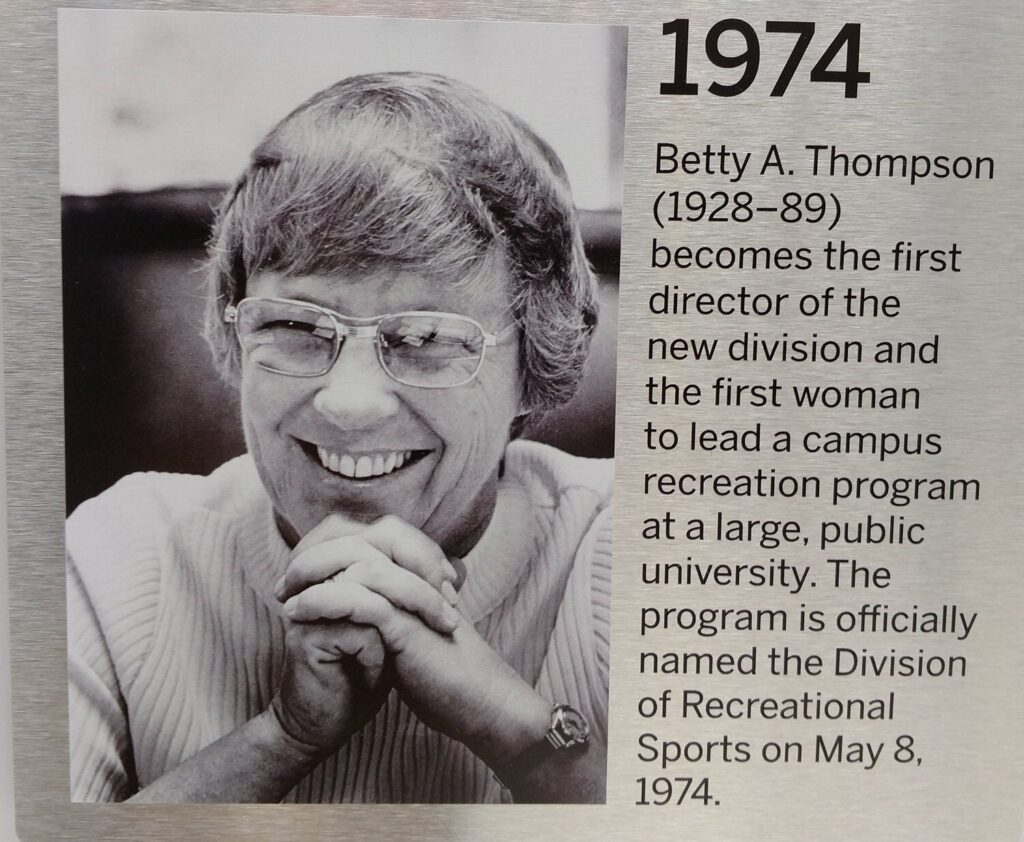
1967- Professor Betty A. Thompson — Director of Intramurals & Recreational Sports, UT Austin Director of the Women’s Intramural Program (1968)
Oversaw the entire women’s intramural structure
Built the early administrative foundation for women’s sport participation
Acting Director for BOTH Men’s and Women’s Intramurals (1972)
First time in UT history one person oversaw both programs
First woman to direct a major university’s recreational sports program
Director of Recreational Sports (1973 onward)
Formalized the Division of Recreational Sports (1974)
Expanded outdoor recreation, coed intramurals, aerobic programs
Initiated the student‑approved fee that funded the Recreational Sports Center (1985)
Interim Women’s Athletic Director (1973–1975)
Oversaw the earliest years of UT women’s intercollegiate athletics
1967- Coach Cliff Gustafson- “baseball.”

1968- Coach Leon Black “Men’s Basketball.”
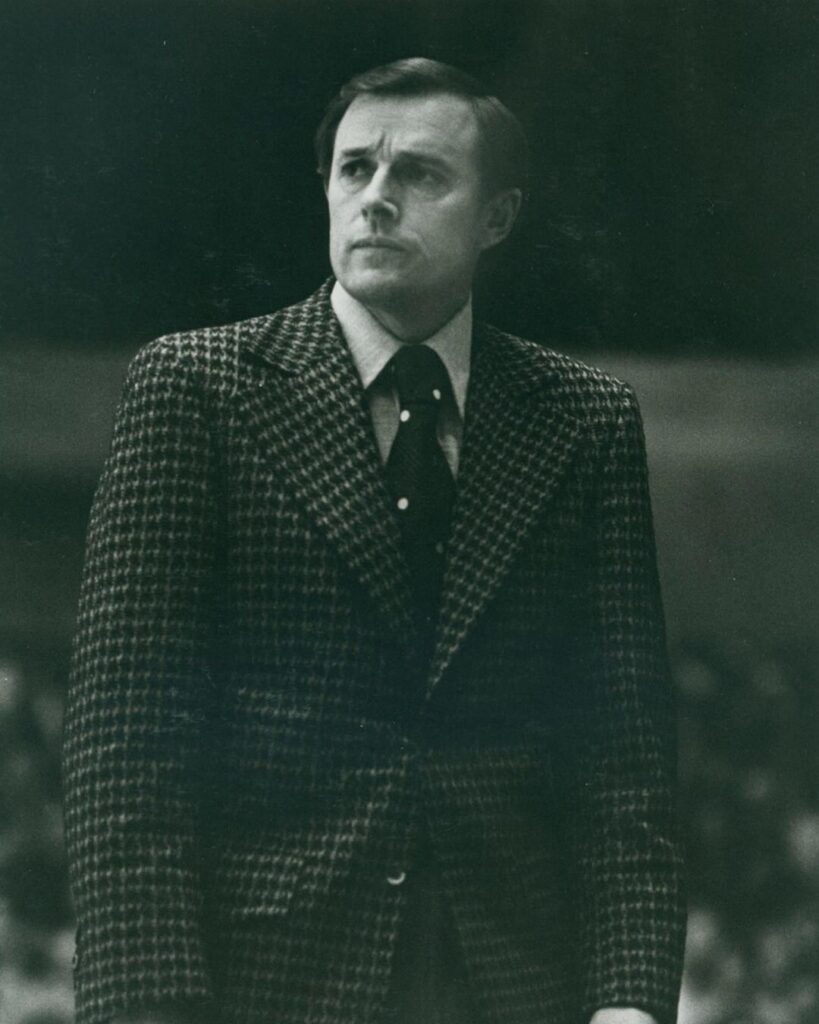
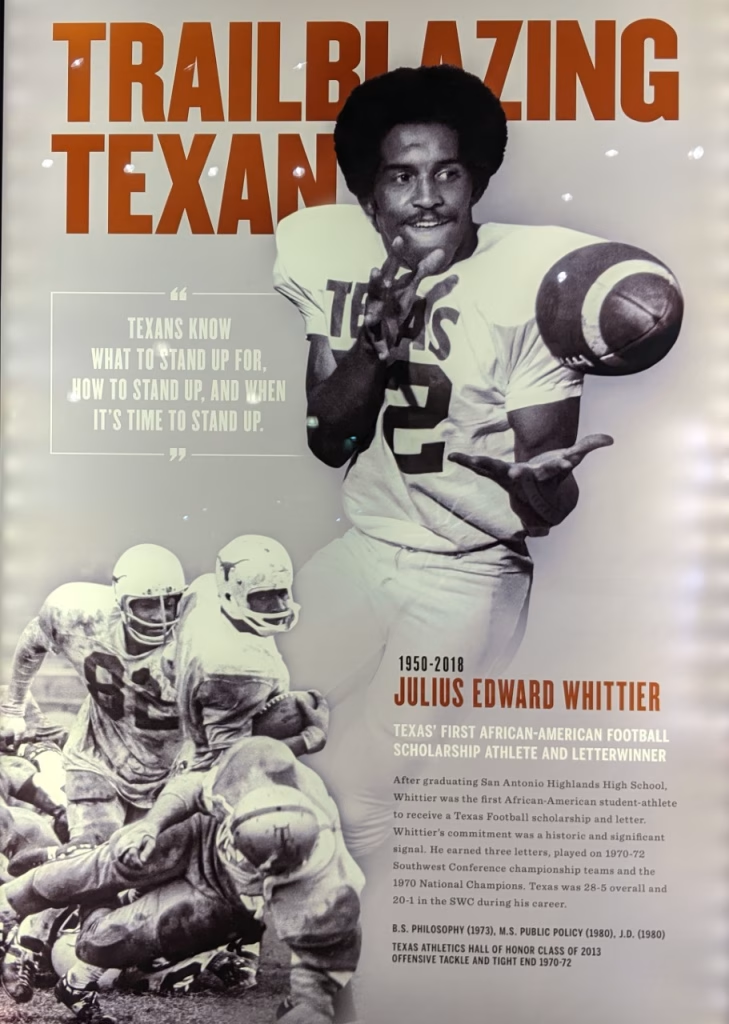
1970- Julius Whittier -“football.”
1971- Melvin “Pat” Patterson- men’s and women’s swimming
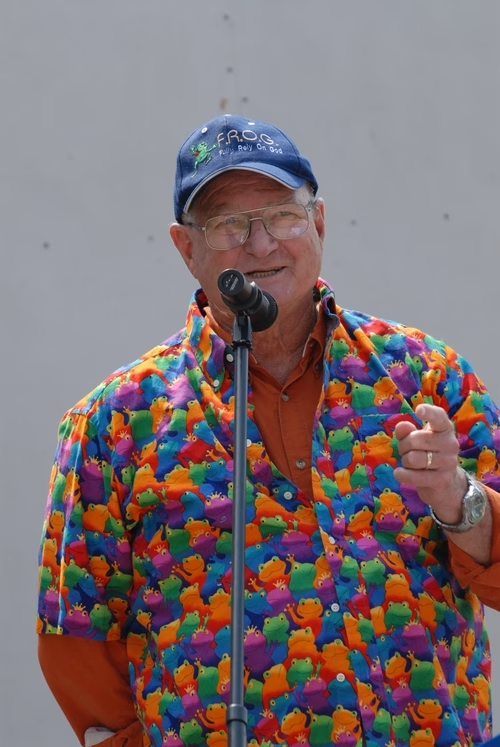
1972-Carl Johnson – “track.”

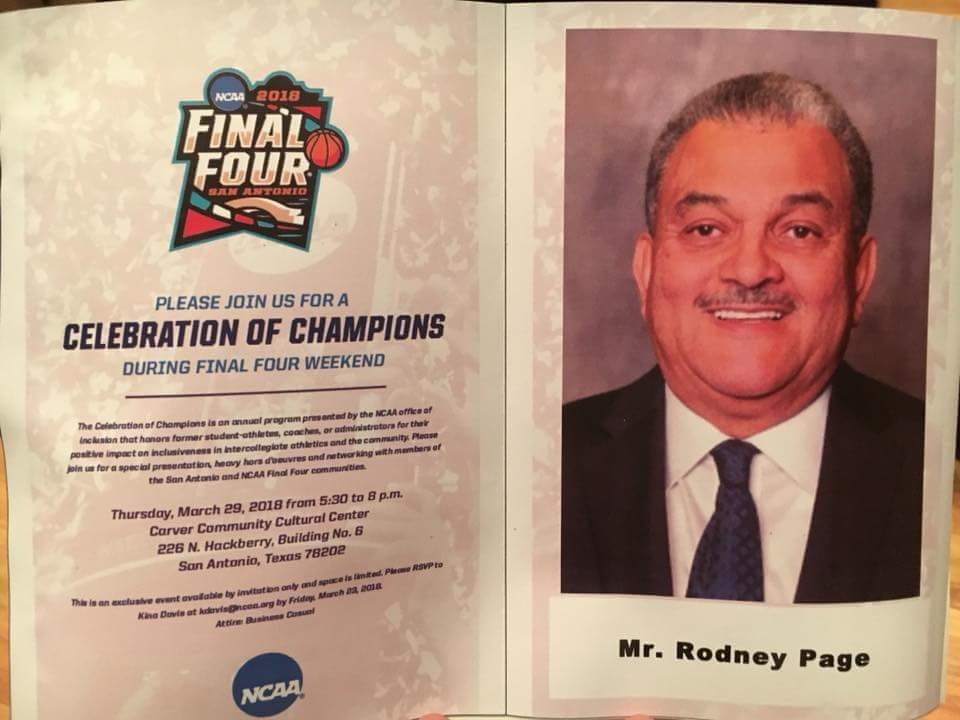
1975-Rodney Page – Women’s Basketball
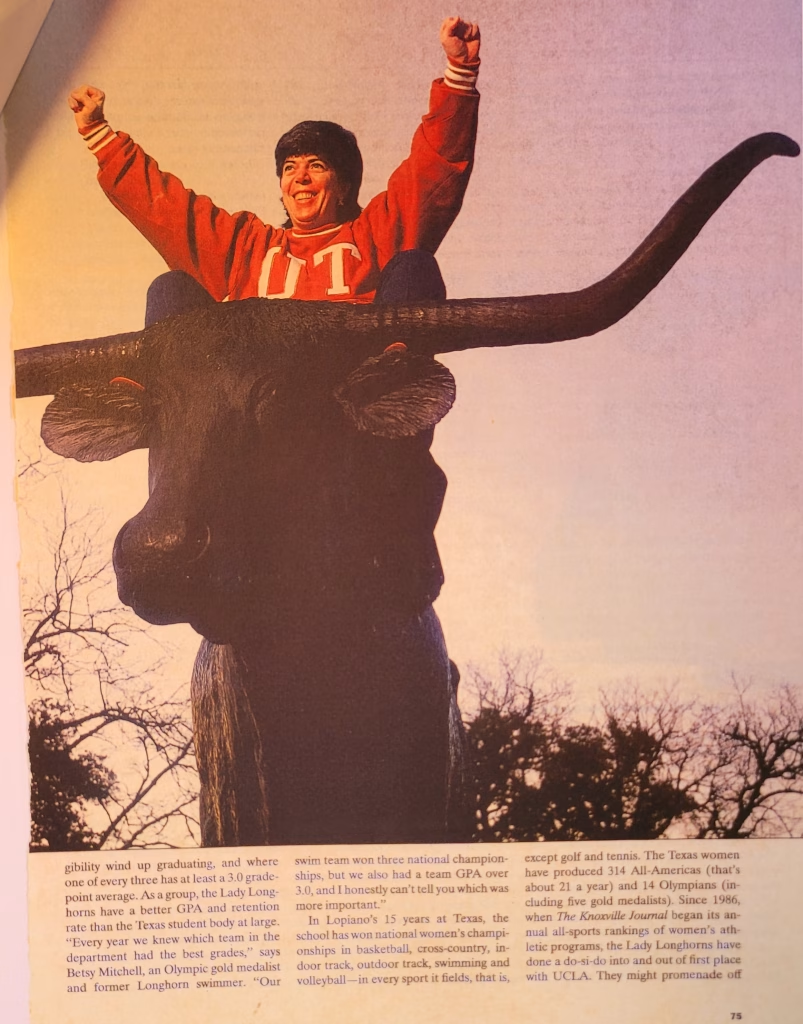
1975- Donna Lopiano – Women’s Athletic Director Director of Women’s Athletics (1975–1992)
This is the role that ties directly into your Texas institutional research.
During her 17‑year tenure at UT, she:
Built what many considered the premier women’s athletics program in the nation
Oversaw 18 national championships
Produced 395 All‑Americans
Led UT to 57 Southwest Conference titles
Achieved a 90% graduation rate among women athletes
She took a program that was barely formalized and turned it into a national model — structurally, competitively, and culturally.
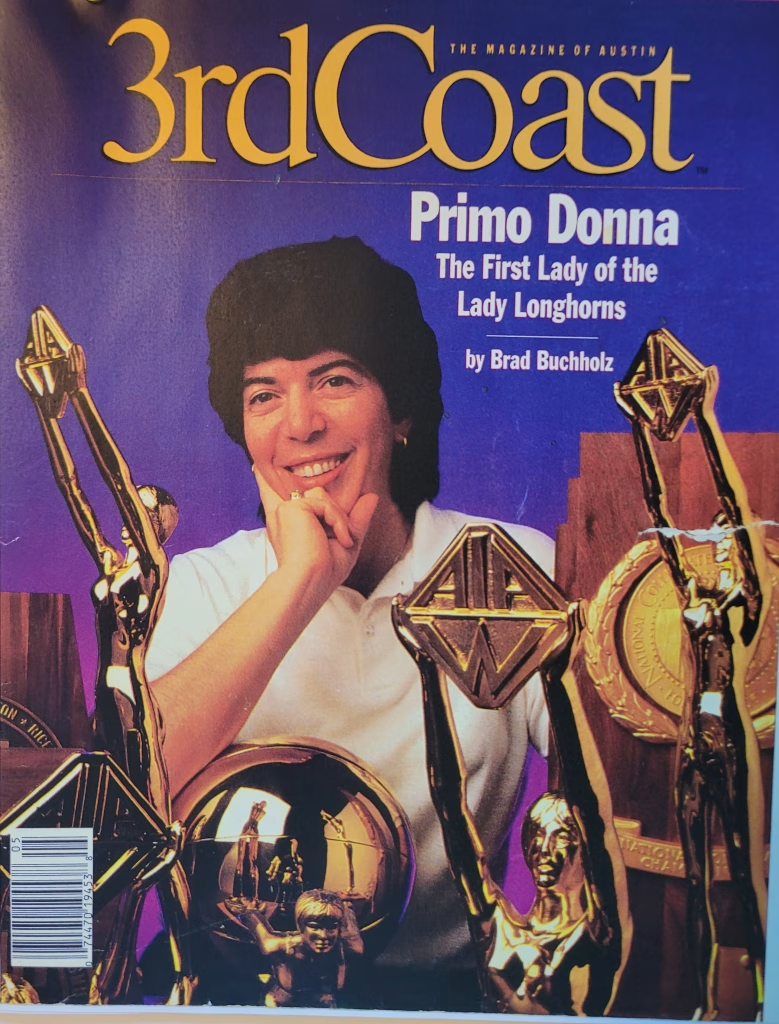



1977- Jody Conradt- basketball-Here’s the definitive, search‑grounded profile of Jody Conradt, one of the true architects of modern Texas athletics. She’s not just a coaching legend — she’s a cultural force who reshaped what women’s sports could be at UT and nationally. 1986 NCAA National Championship (the undefeated 34–0 team) 10 SWC regular‑season titles
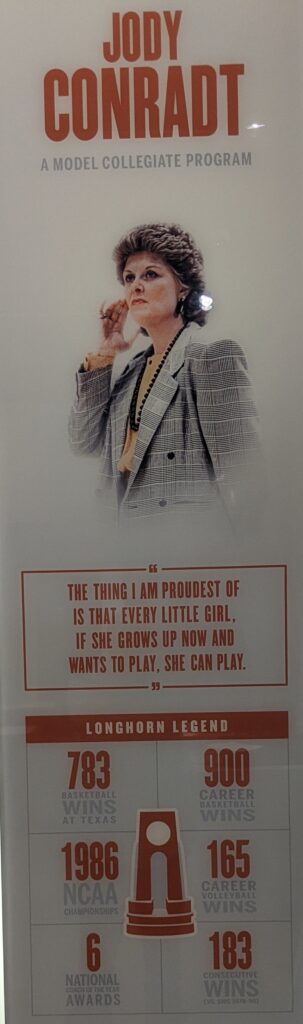
9 SWC tournament titles
2 Big 12 regular‑season titles
3 Final Fours
Her teams were fast, disciplined, and played with a run‑and‑jump defensive identity inspired by Dean Smith. She inherited a program still transitioning from club‑style competition and turned it into a national powerhouse. She was a moral compass for the department. Her players consistently graduated, and she emphasized life skills — discipline, communication, presence, and class. She helped normalize women’s sports in Texas.When she arrived, women’s games drew tiny crowds. By the late 1980s, the Erwin Center was a destination. She famously joked about the early days when “if there were this many people in the stands, it meant someone’s family was in town.” She connected the Anna Hiss → Betty Thompson → Donna Lopiano lineage and then carried it into the modern era.
UT Women’s Basketball Head Coach: 1976–2007
UT Women’s Athletic Director: 1992–2001 (concurrent with coaching)
Career Wins: 900 (second all‑time in Division I at retirement)
Hall of Fame: Naismith (1998), Women’s Basketball Hall of Fame (1999) 1986 Nationa Champion , 10 SWC championships

Plonsky and Conradt 
1000th career game 
Jody Conradt 
1977 Jody Conradt
1977-Dana LeDuc
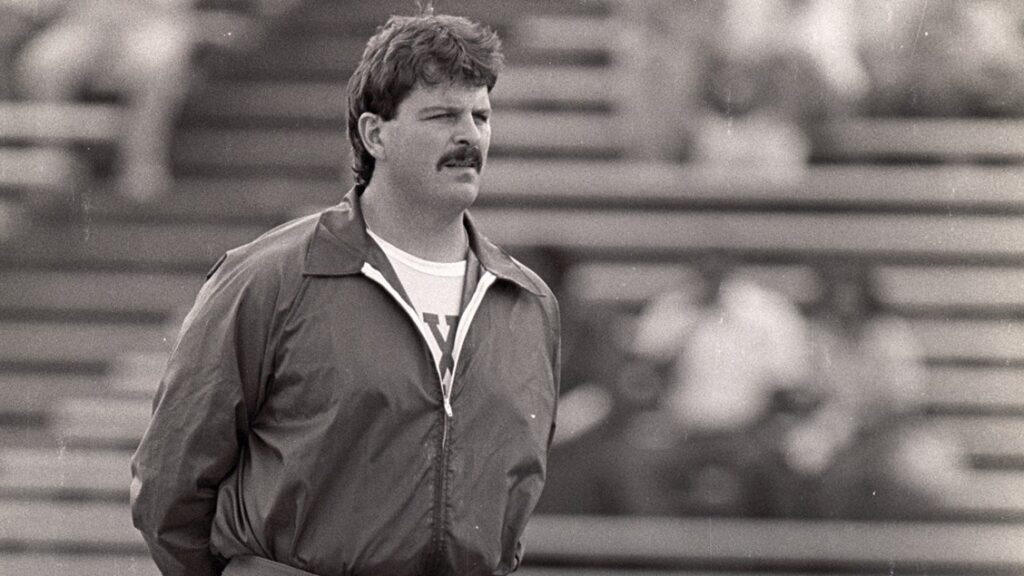
1976- Rheta Swindell- Women’s Basketball
She broke the color barrier for UT women’s basketball in 1975, becoming the first African‑American woman to play varsity basketball for the Longhorns. She was among the first two All‑Americans in Texas women’s basketball history. This places her at the very beginning of UT’s rise into a national power. Olympic‑Level Talent- As a freshman, she made it to the final cuts of the 1976 U.S. Olympic Team tryouts — an unheard‑of achievement for a first‑year player. This tells you how quickly she adapted from half‑court high‑school ball to full‑court college play. USA Basketball — First Longhorn Ever Selected. She became the first UT player ever named to a USA Basketball national team, joining the 1978 U.S. Select Team on an Asia tour.
That’s a milestone that often gets forgotten.
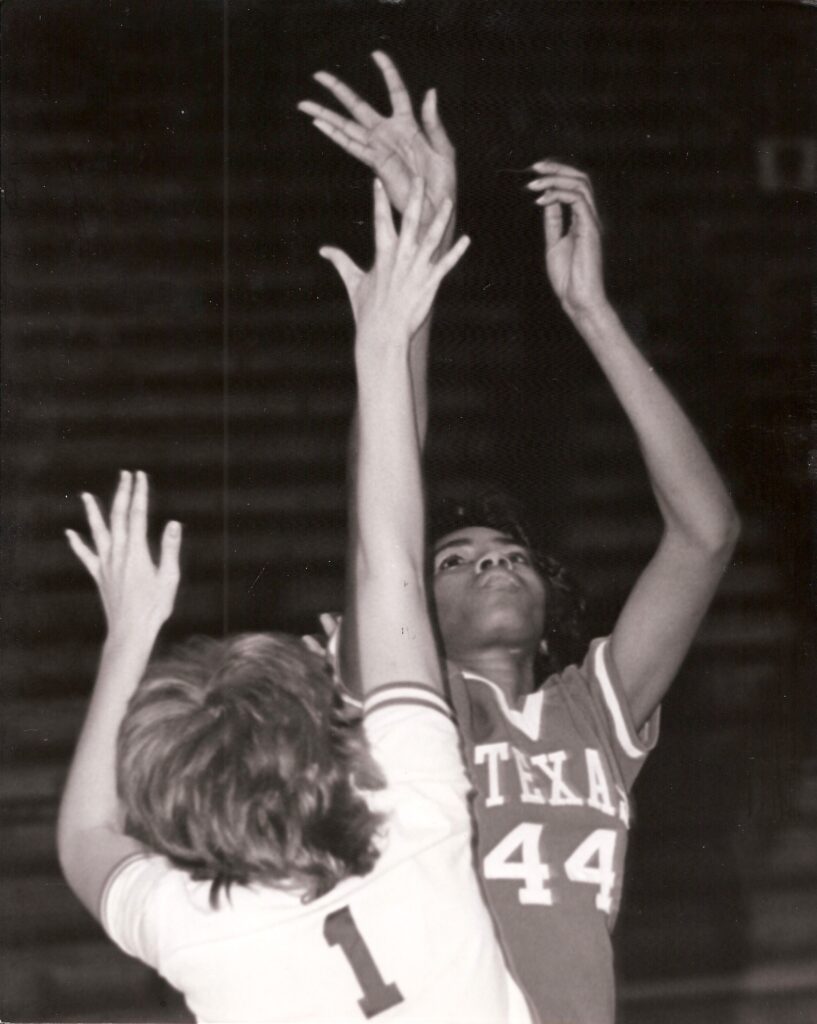
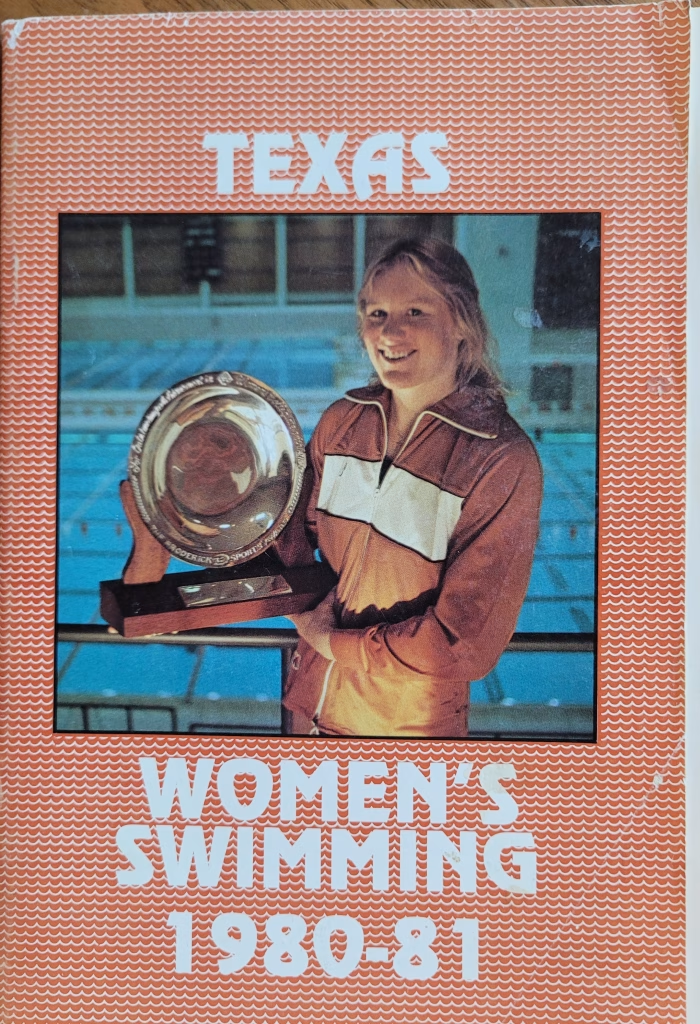
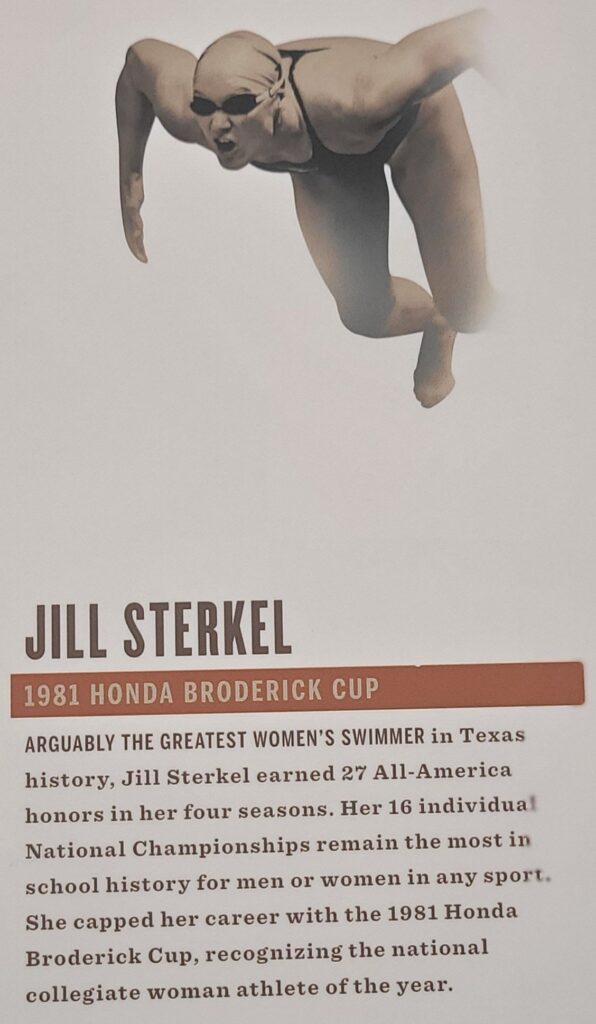
1980- Jill Sterkel – Freestyle / Butterfly and coach
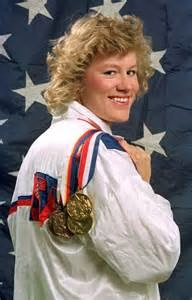
One of the greatest Longhorn swimmers ever
1976, 1980 (boycott), 1984, 1988 Olympics
4× Olympic medalist, including gold in 1984
Later became the legendary UT women’s coach

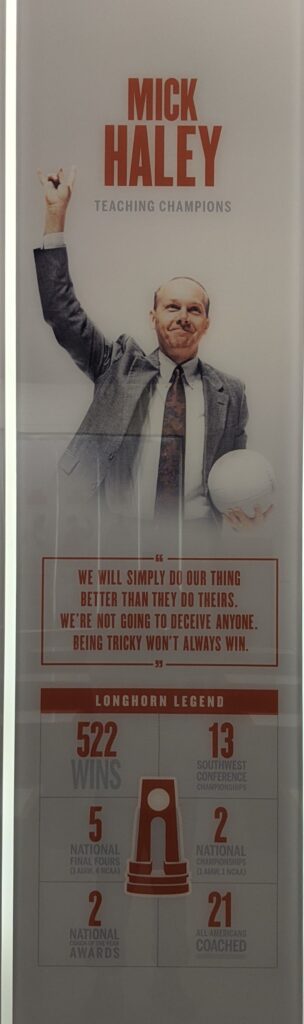
1980-Mick Haley -“women’s volleyball
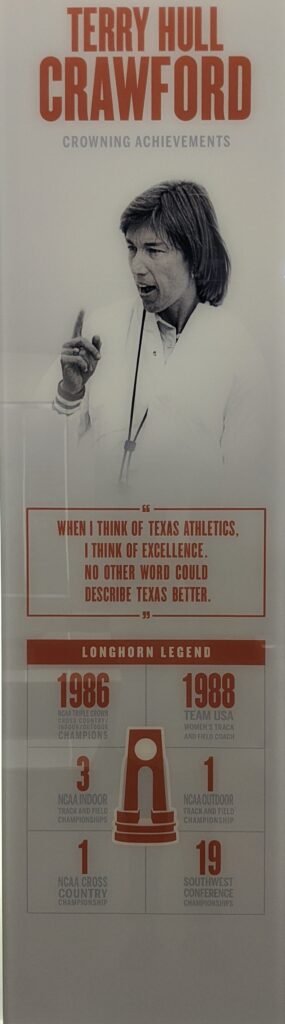
1982- Terry Crawford -” Women’s Track.” In 1988, Crawford was selected as the Head Women’s Track & Field Coach for the U.S. Olympic Team at the Seoul Games.T eam Championships at Texas

According to UT’s Hall of Honor:
4 SWC cross‑country titles
6 SWC outdoor track titles
8 SWC indoor track titles
3 NCAA Indoor Championships (1986, 1988, 1990)
2 NCAA Outdoor Championships (1982, 1986)*
1986 NCAA Cross Country Championship
1986 “Triple Crown” — indoor, outdoor, and cross‑country in the same academic year
*1982 outdoor title is credited to the program; Crawford arrived in 1984 but is associated with the early NCAA‑era rise.
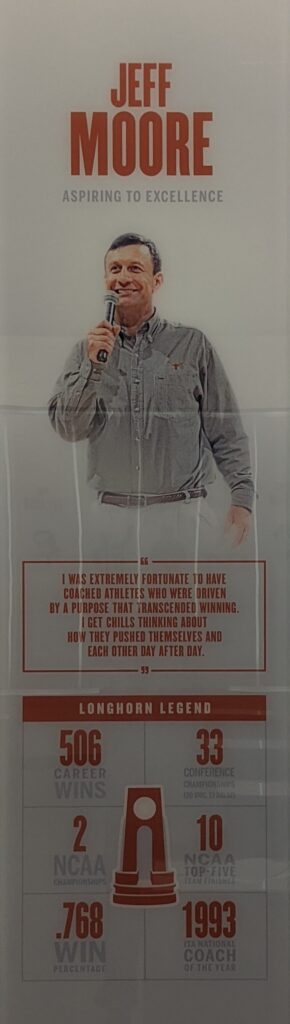
1983- Jeff Moore -women’s tennis
1993- 2013 Beverly Kearney: Architect of a Longhorn Dynasty

Beverly Kearney served as the head coach of Texas Women’s Track & Field and Cross Country from 1993 to 2013, building one of the most dominant programs in NCAA history. Her teams combined elite performance, discipline, and a culture of empowerment, reshaping expectations for women’s collegiate track.
🏆 Championships & Dominance
Under Kearney, Texas reached heights matched by only a handful of programs in any sport:
Her 1998–1999 run — sweeping both indoor and outdoor titles in back‑to‑back years — is still considered one of the great two‑year stretches in NCAA track.
🌟 Coaching Philosophy- Kearney’s approach blended discipline, empowerment, and what she called “tough love.” She emphasized character, resilience, and personal growth as much as performance. Athletes often described her as demanding but deeply invested in their success on and off the track.
Her first Texas staff was historic: the first all‑Black coaching staff in any sport at UT. That group helped set the tone for a culture built on excellence, accountability, and unity.
🚀 Program Impact
Kearney didn’t just win — she transformed the program
16 straight top‑11 NCAA Indoor finishes (1994–2009) 14 straight top 10 outdoor finishes (1994-2007
Produced dozens of NCAA individual champions and All‑Americans
Elevated Texas into a perennial national powerhouse
1993- Beverly Kearney women’s track 
Beverly Kearney
1994- Dang Pibulvech 1994- “Women’s Soccer.”
Chris Plonsky has been shaping Athletics at Texas since the early 1980’s.
She is a strategic architect in building the Longhorn brand and national influence. From 2001-2017, she was the Women’s Athletic Director. As of 2026, she is the Executive Senior Associate Athletics Director, Chief of Staff, and Senior Woman Administrator at the University of Texas at Austin. Through the decades, she has held key positions in NCAA governance as the NCAA Division I Management Council, the USA Basketball Board of Directors, and Chair of the Women’s Basketball Hall of Fame Board of Trustees.

Honors and Recognition
• Texas Sports Hall of Fame (2025) — one of only a handful of non-athletes ever honored.
• Greater Austin Sports Foundation Hall of Honor (2024)
• 2023 WBCA Administrator of the Year
• 2023 Naismith Outstanding Contributor to Women’s Basketball
• CoSIDA Hall of Fame (2021)
• Numerous leadership awards across NACDA, NACMA, and Women Leaders in Sports.

Chris Plonsky 2023 Chris PlonskyNaismeth winner
1998- Carolyn Graves – The Rowing Pioneer She is the Rosetta Stone for understanding how rowing became a legitimate, competitive, Title IX–driven varsity sport at Texas.

Carie Graves (full name Carolyn Brand Graves) was one of the foundational athletes of modern U.S. women’s rowing and later a transformative coach at Texas.
She is a 3-time Olympian, winning gold in 1984 and bronze in 1976. She was the first female head rowing coach in the USA and is the architect of the NCAA Texas Women’s Rowing seving as head coach fro 1998-2013.
Under her leadership, Texas achieved:
• 4 Big 12 Championships (2009–2012)
• 2011 Conference USA Championship
• Multiple NCAA Championship appearances
• National rankings in 4 of her last 9 seasons
• Development of numerous CRCA All-Region and All-American athletes

Carol Graves obit 
Carol Graves 
Carie Graves
Each of these pioneers is covered in the TLSN website at texaslsn.org
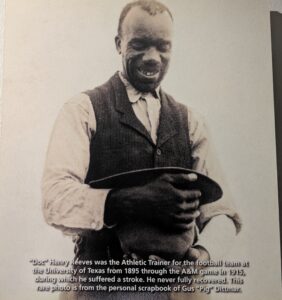
Doc Reeves- manager, trainer, and “Doctor” 
1957 Daniel Penick- tennis 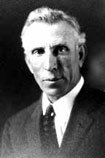
1957 Billy Disch- baseball 1915 Theo Bellmont – Coach and Athletic Director 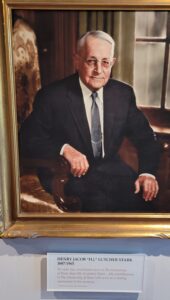
1919 H.J. Lutcher Stark – board of regents leader pushed for excellence in Longhorn sports 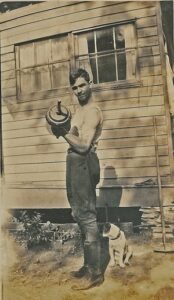
1919 Roy McClean – weight lifting 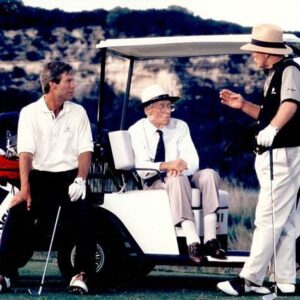
1931 Harvey Penick golf with to of his students- Ben Crenshaw and Tom Kite 1935- Tex Robertson 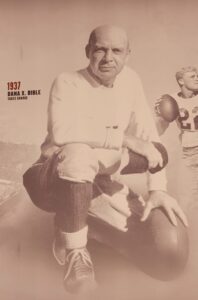
1938 D.X. Bible – football coach and athletic director 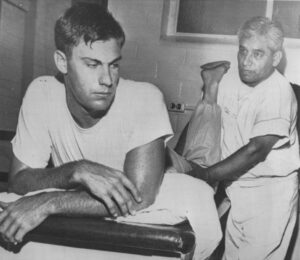
1945 Frank Medina – trainer 
Royal 
1964 Charlie Craven – trainer and “rehab” 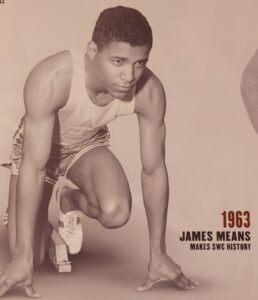
1963 James Means track 
1967 Cliff Gustafson – baseball 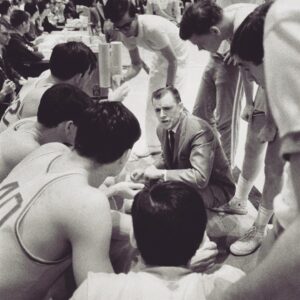
1968 Coach Black- Longhorn player, assistant coach and head coach 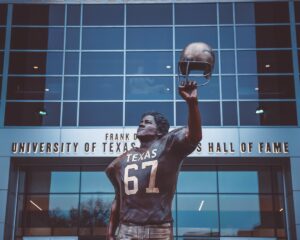
1970 – Julius Whittier – first black to make the varsity squad 
1971 Melvin “Pat” Patterson- men’s and women’s swimming 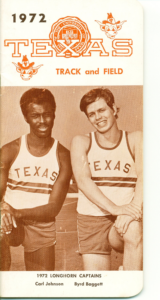
1972 Carl Johnson and Byrd Baggett 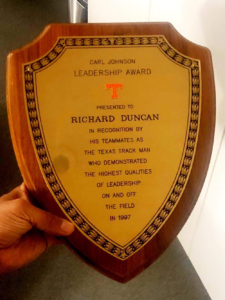
There is a track award given in Carl Johnson’s name. 
Carl Johnson- keeping hope alive 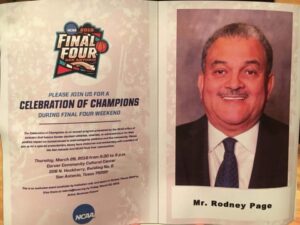
1975 Rodney Page honored at the final 4 in San Antonio. 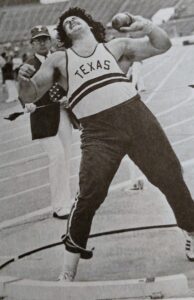
1977 Dana LeDuc – All American shot putter and the first strength coach 
Dana Le Duc 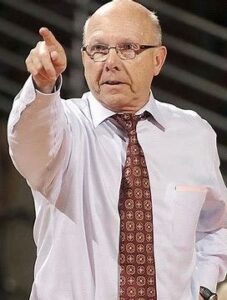
1980 – Mick Haley – women’s volleyball 
1983- Jeff Moore – women’s tennis with his National doubles champions
 Harvey Penick
- Slater Martin – basketball
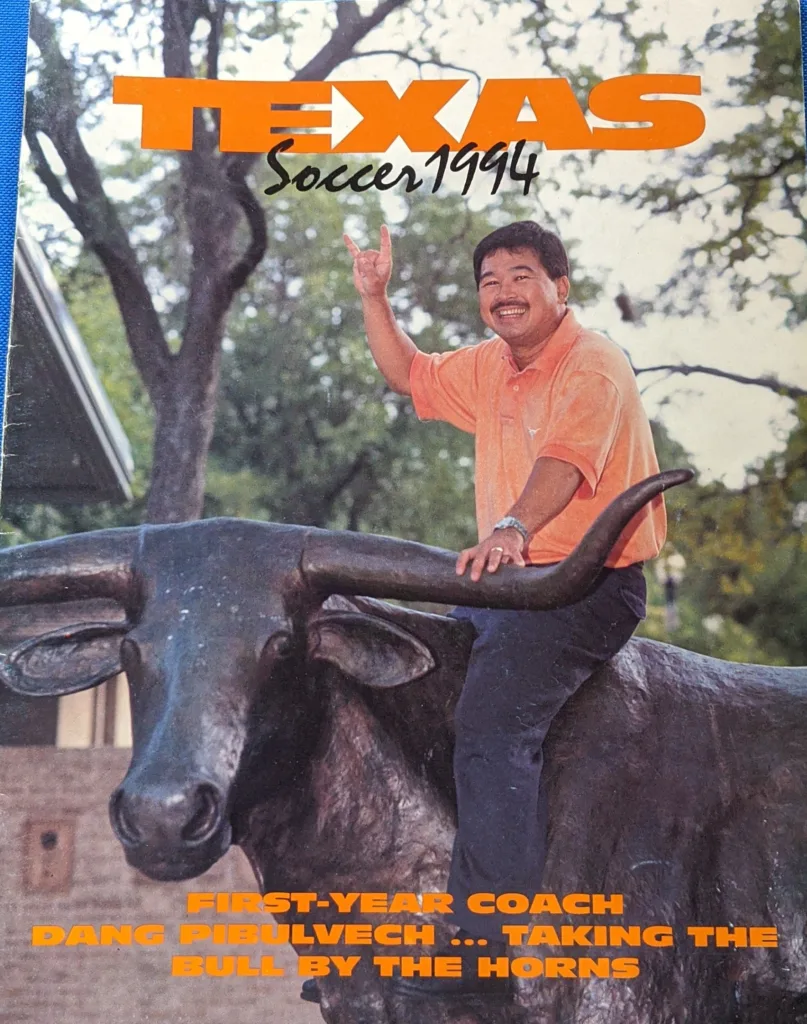 Dang Pibulvech – soccer
One Comment